I built Biz-cen.ru in Russia, Lashoestring.com in the UK. I run a Telegram channel. For contact — email. Writing from Berlin.

ENРУ
Later Ctrl + ↑

How do smart trackers fool us?

There are a lot of trackers that you can use to collect various metrics of your day. What is more, each of these trackers claims that it will improve the concrete sphere of your life. Garmin’s ecosystem is built around sports metrics. Oura Ring declared that it would help you improve your sleep.

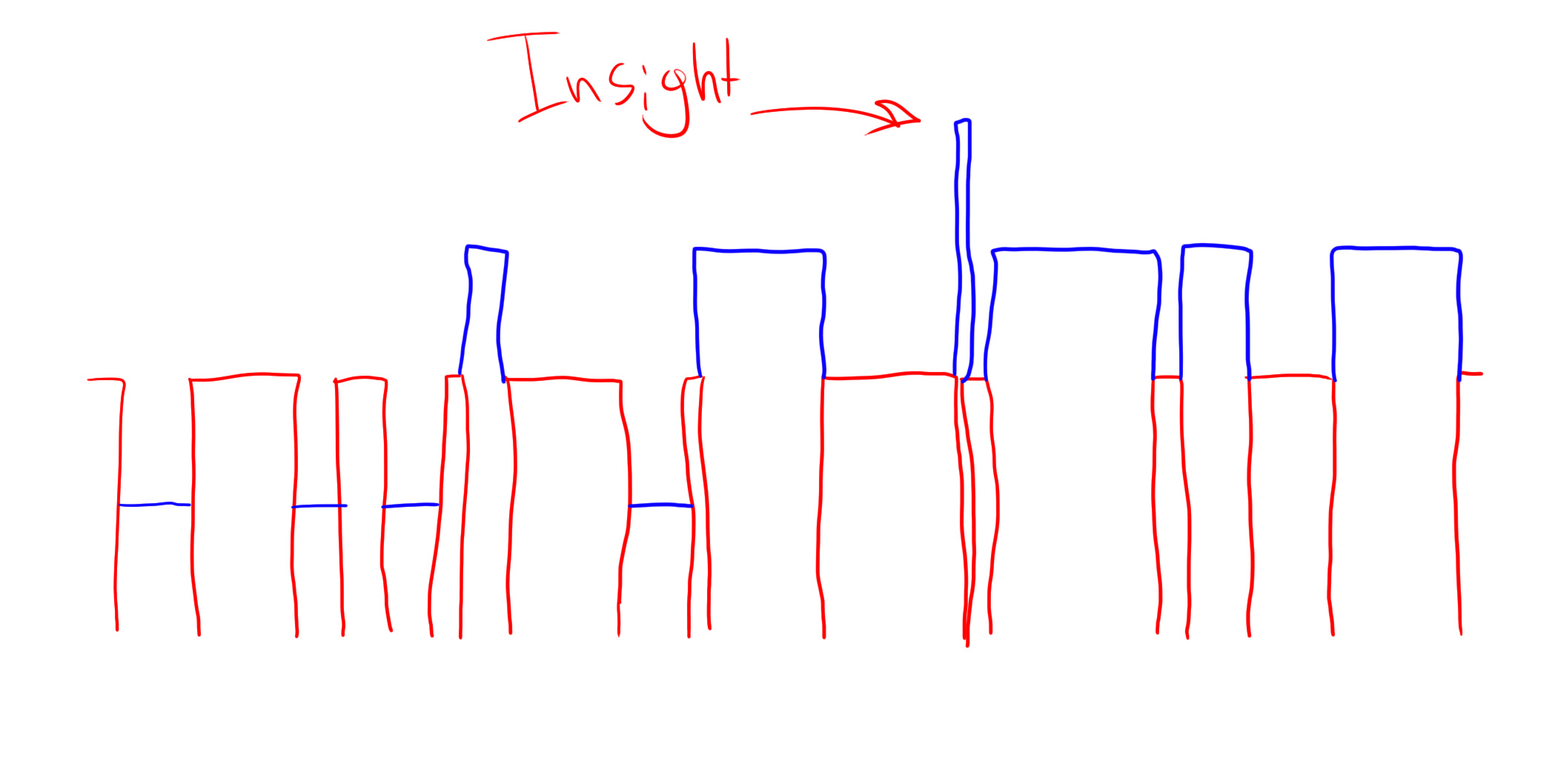
Hand-drawn bar chart with one tall bar marked 'Insight' by a red arrow

The main problem is that none of these trackers can provide personal advice based on your data. Each of these trackers states in AD that you can improve your life by gathering metrics with their help. I will explain why it is a false statement.

You can find a ton of information in the Garmin app or other fitness apps. For instance, you can find your running cadence (number of steps per minute) and elevation in one graph. So what? How can you use this information to improve your results? Why do trackers gather data but not provide any personal insights, not generic ones but concrete ones?

From my point of view, the main reason they do not give you concrete suggestions is that they do not want to take responsibility for recommendations. On the other side, these companies know that their users are willing to gain such insights. So this is a dilemma for such companies. How to provide personal recommendations for trackers users without taking responsibility? Each company has its approach to this question.

I see three main ways how companies overcome this dilemma:
1. Provide users with average metrics.
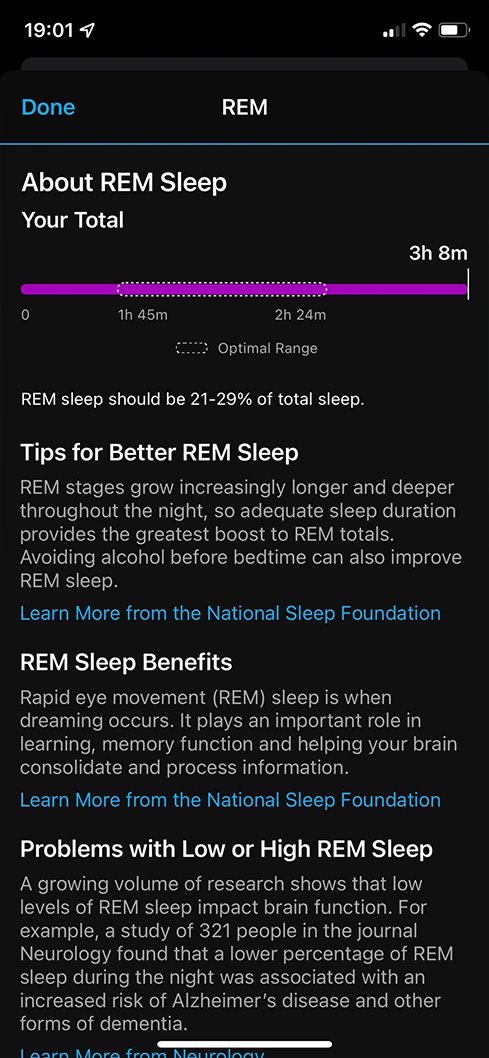
For instance, the Garmin app shows what the length of REM stage sleep is. By revealing those metrics, it can assist you in understanding if your REM stage from last night is within the average interval or not. You will not get any personal advice based on your metrics, only a generic one. The app shows you the right direction, and this ‘right’ is a blurry one.

Phone screen 'About REM Sleep' showing a 3h 8m total on a bar and tips for better REM sleep

2. Create ‘‘personal health media’’.
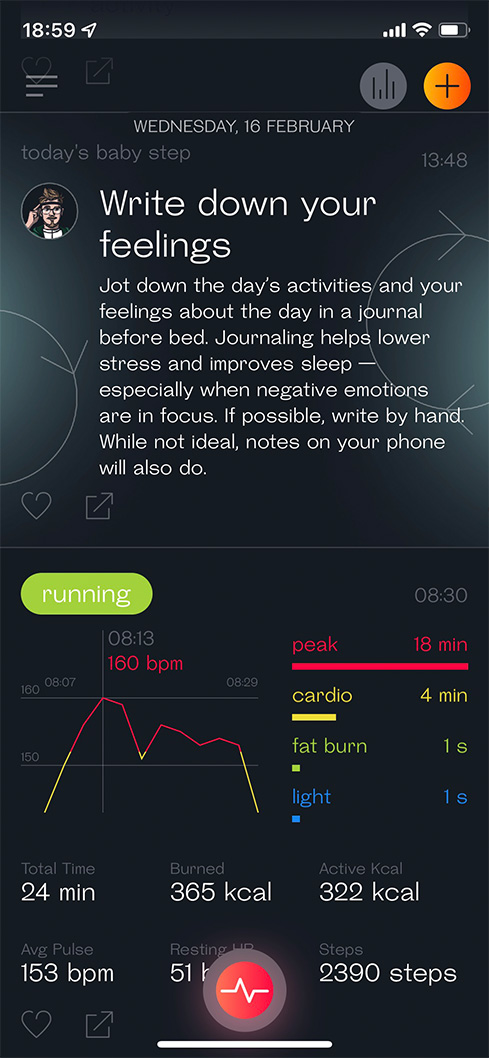
It means to educate customers with content that discloses metrics deeper. For instance, you can create two pice of text explaining how long or short sleep affects the body. An app can show a person a text that fits his data based on the person’s metrics. For example, the Welltory app creates an individual feed with insightful content based on your metrics.

Phone app screen: a journaling 'baby step' tip above a running workout heart-rate graph and stats

3. Invent a new branded metric with the ‘‘secret’’ formula.
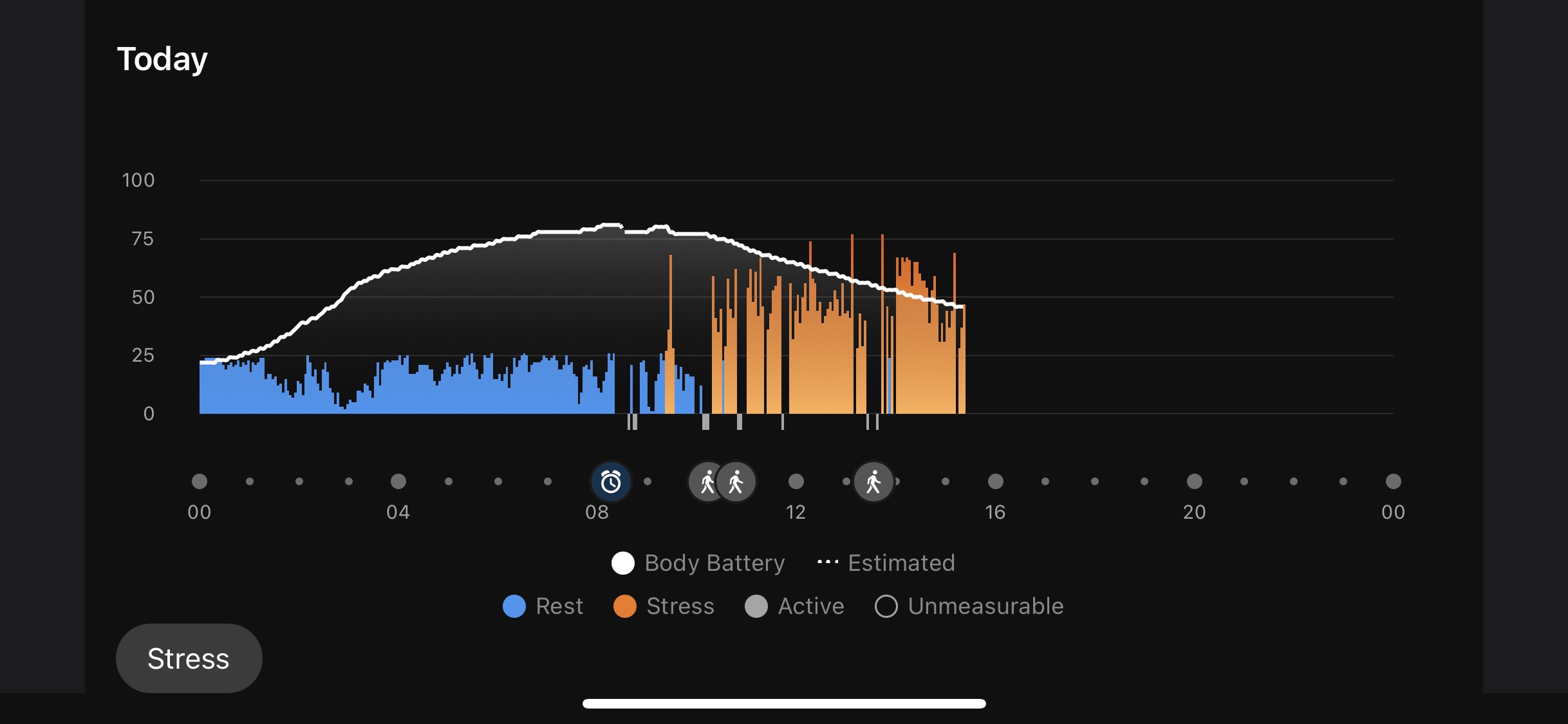
In the Garmin app, you can find the Body Beterry widget. Gramin states that:

Body Battery can be used to help manage a user’s day. When the number is high, it should mean the user has enough energy for a workout or exercise. Conversely, when the value is low, it may be a good idea to conserve and rest.

Your Body Beterry points are linked to the amount of stress, quality of your sleep, amount of activities. As alcohol or caffeine affects your sleep, your Body Beterry point is concerned too.

Garmin app graph titled Today showing Body Battery rising then falling with Rest and Stress bars

That is a trick, Garmin pushes you to increase your points of this metric. But as the formula behind it is hidden, suggestions of what you should improve are blurred too. The most important thing is that if they are blurred, the company takes no responsibility for this recommendation.
;—)

Conclusion
None of these approaches can be valued as personal recommendations. Even companies try to wrap them that way in marketing materials. Without any doubt, in the long run, the winner will be the companies that will find a way to gain truly personal insights.

I have a rough guess where the solution may lay. I will later share my thoughts on this theme. What is your experience with smart trackers? Do they have any effect on your life?

Чем отличается информация от понимания от знания? Как цифра повлияла на эти понятия?

Можно исходить из позиции, что все в мире друг с другом связано, и что все друг на друга влияет. Тогда стараясь понять суть явления, мы смотрим на предмет нашего интереса широко.

Предлагаю занять другую позицию. Чтобы обсуждать какой-то термин, важно четко определить его границы. Обозначить — «вот это белое, а вот это черное». Сформулировать единое понимание, у всех кто решился включиться в дискуссию. Не спорить о терминах, а договориться о понимании.

Давайте разнесем понятие информации, понимания и знания. Разберемся как появление цифры повлияло на эти понятия. И что изменилось в деятельности человека и способах организации деятельности с появлением цифры.

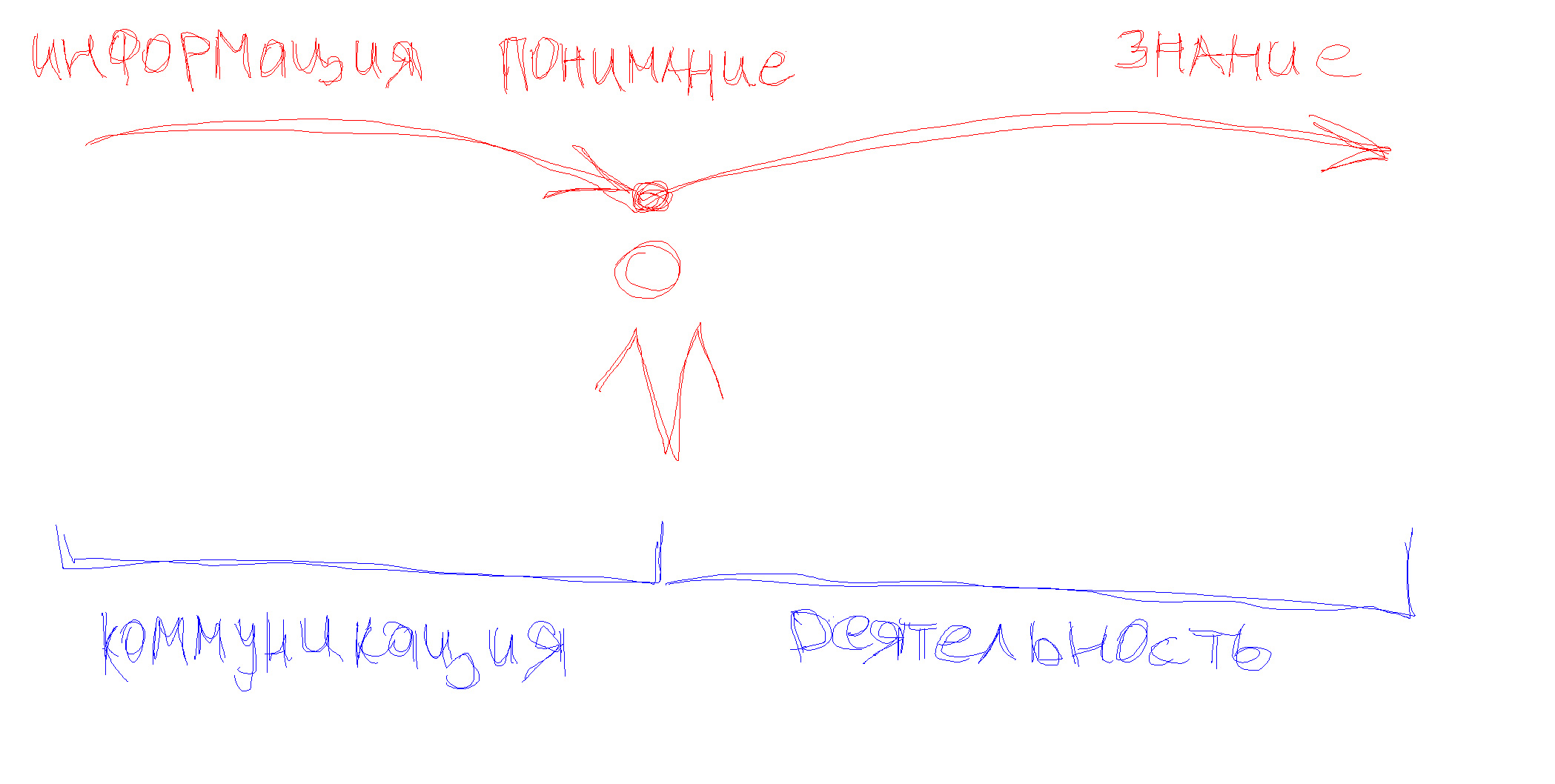
Hand-drawn diagram arcing from information through understanding to knowledge over a communication line.

Определение информации, понимания и знания. Как они связаны?

Акт коммуникации можно разложить на три последовательных шага:
А. В процессе письменной или устной коммуникации происходит передача информации.
Б. Далее человек накладывает эту информацию на свою конкретную ситуацию и у него формируется понимание того, как оптимальнее действовать, чтобы получить положительный результат при разрежении ситуации. В процессе понимания, человек присваивает себе полученную информацию, пропуская через свой индивидуальный фильтр. Поэтому часто говорят, что люди услышали одну и туже информацию, но поняли её каждый по своему.
В. Далее человек начинает действовать. По итогам действия человек получает реальный результат или отсутствие результата. Именно в этот момент у него впервые появилось знание. Знания без деятельности невозможно. Знания являются продуктом деятельности.

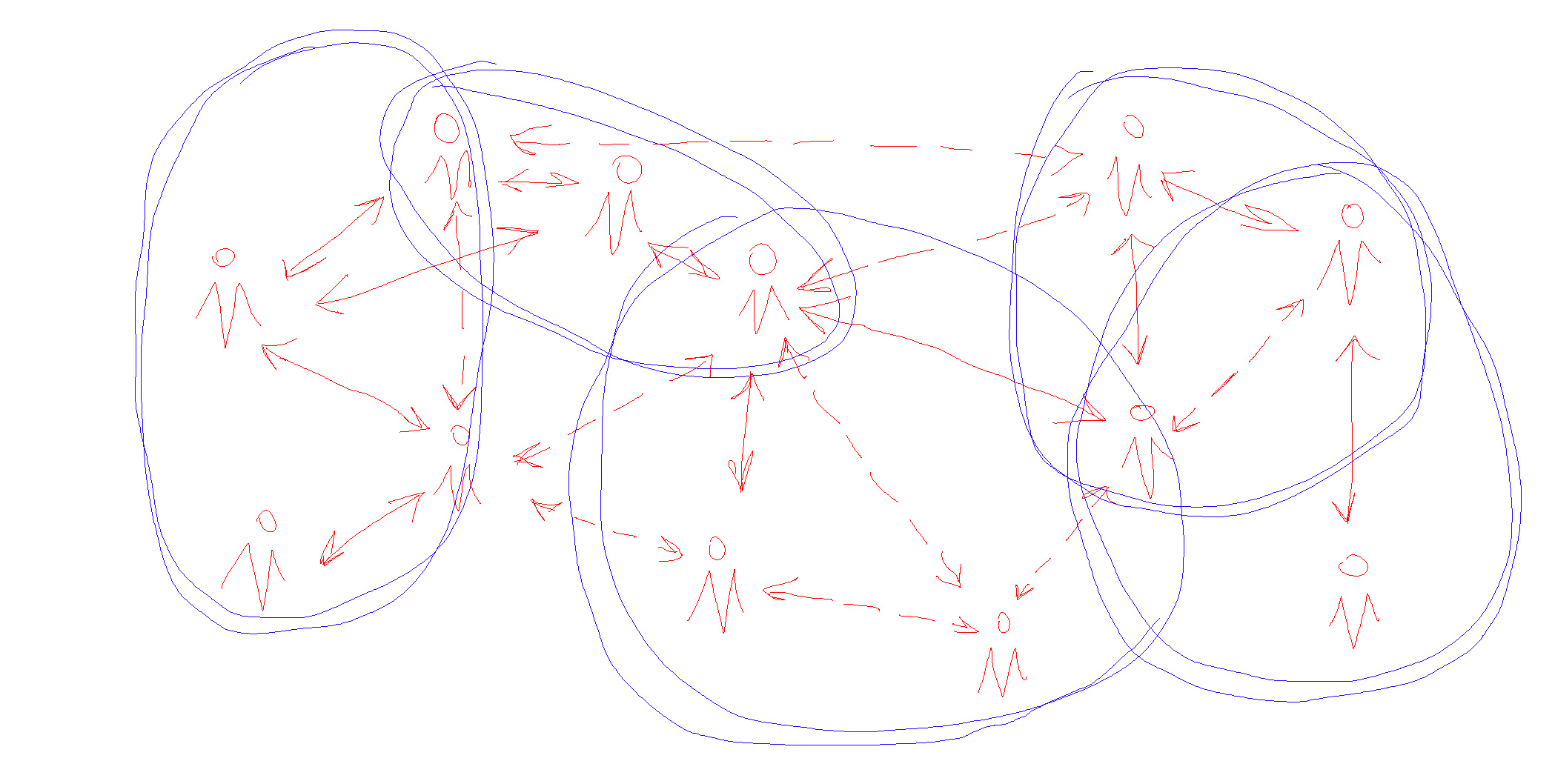
Hand-drawn sketch of stick-figure people grouped in circles and linked by arrows, a communication network.

Информация — сведения об окружающем мире, передающиеся через коммуникацию.
Понимание — придание смысла человеком получаемой информацией в процессе коммуникации.
Знание — опыт полученный в результате деятельности, того как оптимальнее поступать в конкретной ситуации.

Как цифра повлияла на информацию и понимание?

На уровне информации.
Количество и скорость доступа и распространения информации увеличилась. Появилось много акторов производства информации, так как стоимость её доставки и производства кратно снизилась.

На уровне понимания.
Понимание часто происходит благодаря информации, которая представлена в виде последовательности шагов, четкой инструкции. Цифра кратно увеличила скорость поиска нужной инструкции. Таким образом с появлением цифры человек, получил возможность формировать понимание в кратно большем количестве сфер, доменов.

А значит и количество областей, в которых человек может начать формировать свое понимание, кратно возросло.

Как цифра повлияло на знания?

На уровне знаний, цифра привнесла самые значимые изменения. Главное: с появлением цифры у людей атрофируется навык действия в области непознанного. Теперь люди чаще, не знают что делать когда нет готовой инструкции.

Давайте рассмотрим, как выглядела работа со знаниями до появления цифры. Рассмотрим, на примере.

Жил в деревине Василий. Его интересовало, а как же сделать так, чтобы урожай картошки был хороший, ему его отец передал знания, что нужно сеять, картофель крупного размера. А ещё он прочел в книге, что надо удобрять навозом не прямо перед посевом, а осенью, когда собирается предыдущий урожай. На этом знания Василия о посеве и ограничивались. Эти первые два шага, Василий делал в границах «познанного», он быстро достигал границ опыта других людей.

И дальше Василий, если хотел улучшить урожайность полей с картофелем, то должен был экспериментировать. Он заходил в область «непознанного». И придумывал, а как лучше поступать, если засушливый год, а что делать, если наоборот дожди постоянные идут.

Когда он действовал, в условиях неопределенности, то часть его гипотез, проваливалось, а часть приносило результат. В период письменности, до появления цифры процесс освоения знаний обладал двумя главными отличиями:

  1. Какую бы область, не решил изучить Василий, он довольно быстро получал все знания в границах «познанного» и достигал границы «непознанного».
  2. Василий часто оказывался на территории «непознанного» и вынужден был учиться проверять гипотезы.

С появлением письменности, возрос объема информации, так как впервые появилась возможность накопления сведений об окружающем мире. Но именно цифра многократно увеличила объем информации, что в свою очередь сильно увеличило границу «познанного» в которой живет человек. И именно этот факт, критично изменил деятельность человека, люди теперь могут всю жизнь существовать в границах «познанного».

С появлением цифры на освоение домена, даже аграрного можно положить всю жизнь, но так и не дойти до границы «познанного». На протяжении всего обучения, человек все чаще получает именно инструкции, так как с помощью цифры становится легко найти информацию релевантную ситуации.

Чтобы действовать в области «непознанного» нужно уметь эмоционально переживать действия, которые не приводят к положительному результату. Такая эмоциональная устойчивость также не формируется, если все время использовать готовые инструкции. А потому любой выход в область непознанного, ещё и эмоционально дискомфортен.

Вывод: навык получения нового знания атрофировался, так как получение нового знания — это проверка гипотез, часть из которых не приводит к оптимальному результату. А люди приучаются, благодаря доступу к информации, всегда действовать по инструкции, позволяющей всегда получать положительный результат.

PS
На уровне знаний, также происходят другие важные изменения. Зафиксируем их без детального разбора:

  1. Чтобы добраться до границы непознанного, где может родиться новое знание, теперь нужно больше времени для конкретного человека — это привело к росту специализаций.
  2. Ценность реплицируемость знаний уменьшилась, а ценность синтезируемости знаний увеличилась. Центры производства новых знаний изменились.
  3. Конкуренция среди компаний, стала не столько количественной, а стала более качественной.

Ноябрь, 2021.

Текст рождён по итогам работы группы «Цифра». В группе, кроме меня также участвовали: Руслан Ахтямов, Евгений Ощепков.

What’s the difference between information, understanding and knowledge? And how the digital world changed the way we think about all that?

You could start from the idea that everything in the world is connected and everything affects everything. So when we try to really understand something, we have to look at it in a broader context.

But here’s another way to look at it. If we’re going to talk about a specific term, we need to define its boundaries clearly. Say “this is white and this is black.” Everyone joining the conversation should be on the same page about what we mean, so we’re not arguing about definitions, we’re agreeing on them first.

Let’s break down the difference between information, understanding and knowledge. Then we’ll look at how the digital age has changed what these words mean and how it’s reshaped the way we work and organize what we do.

Hand-drawn diagram arcing from information through understanding to knowledge over a communication line.

Definitions of information, understanding and knowledge. And how are they connected?

You can break down communication into three steps:
A. First comes the transfer of information, spoken or written. That’s the basic act of communication.
B. Then, the person receiving that information filters it through their own context. They start to form an understanding of how to act in a way that might lead to a positive outcome. This is where information becomes personal. That’s why you can tell a group of people the same thing and they’ll each walk away with a different takeaway, because they process it through their own lens.
C. Finally, the person takes action. They do something based on their understanding and the results of that action or lack of results turn into real knowledge. That’s the key: knowledge doesn’t exist without action. It’s something we gain through doing.

Hand-drawn sketch of stick-figure people grouped in circles and linked by arrows, a communication network.

Information is data about the world around us, passed along through communication.
Understanding is the meaning we personally assign to that information as we process it.
Knowledge is the experience we gain through action, it’s knowing what actually works in a specific situation.

How digital changed information and understanding?

On the information level:
The amount and speed of access to information have exploded. Now anyone can create and share it, since the cost of producing and distributing information has dropped dramatically.

On the understanding level:
Understanding often comes from information that’s structured like a clear, step-by-step guide. Digital tools have massively sped up how fast we can find those kinds of instructions. So now, thanks to tech, people can build understanding across way more areas than ever before.

Which means the number of areas where someone can start building their understanding has grown dramatically.

How digital changed knowledge?

On the knowledge level digital has brought the biggest changes. The important one is that we’ve started to lose the skill of acting in the unknown. These days, if there’s no step-by-step guide, people often just don’t know what to do.

Let’s take a look at how people worked with knowledge before the digital age:

There was a guy named John who lived in a village. He wanted to know how to grow a good potato harvest. His father passed down some knowledge like planting only the bigger potatoes. He also read in a book that you shouldn’t fertilize right before planting, but in the fall, after the previous harvest.
That was the extent of what John knew about planting. Those first two steps were within the bounds of what others had already figured out. He hit the limits of other people’s experience pretty quickly.

If John wanted to improve his potato harvest, he had to start experimenting. That meant stepping into the unknown. He had to figure things out for himself like what to do during a dry season or how to handle it when it rained nonstop.

Some of his ideas failed, others worked. And that’s how it used to go in the age of books, before the digital world took over. Gaining knowledge had two key features:

  1. Whatever area John decided to explore, he quickly picked up all the available knowledge within the “known” and hit the edge of the “unknown”.
  2. He often ended up in the “unknown” and had to figure things out by testing his own ideas.

With the invention of writing, the amount of information grew, people could finally store and pass down what they knew about the world. But it was digital technology that truly exploded the amount of information we have. That massively expanded the boundaries of the “known” world we live in. And that changed everything, now people can spend their whole lives staying within the “known” without ever needing to step into the “unknown”.

With digital you can spend your whole life learning a single field, even something like farming and still never reach the edge of the “known”. Most of the time you’re just following instructions, because it’s now so easy to find information that fits your exact situation.

To act in the “unknown” you need to be able to handle the emotional weight of trying things that don’t work out. But if you’re always following ready-made instructions, that kind of emotional resilience doesn’t develop. So stepping into the “unknown” feels not just unfamiliar, but uncomfortable too.

Conclusion: The skill of gaining new knowledge has weakened, because gaining new knowledge means testing hypotheses, some of which won’t lead to the best result. But thanks to easy access to information, people have gotten used to always following instructions that guarantee a positive outcome.

P.S. At the knowledge level, other important changes are happening too. Let’s list them without going into detail:

  1. To reach the edge of the “unknown”, where new knowledge can be created, now takes more time for an individual. That’s led to a rise in specialization.
  2. The value of easily repeatable knowledge has gone down, while the value of being able to synthesize knowledge has gone up.
  3. Competition between companies has become less about quantity and more about quality.

November 2021

This text was created as part of the work done by the “Digital” group. The group included Ruslan Akhtyamov and Evgeny Oshchepkov.

The main challenge of digital transformation

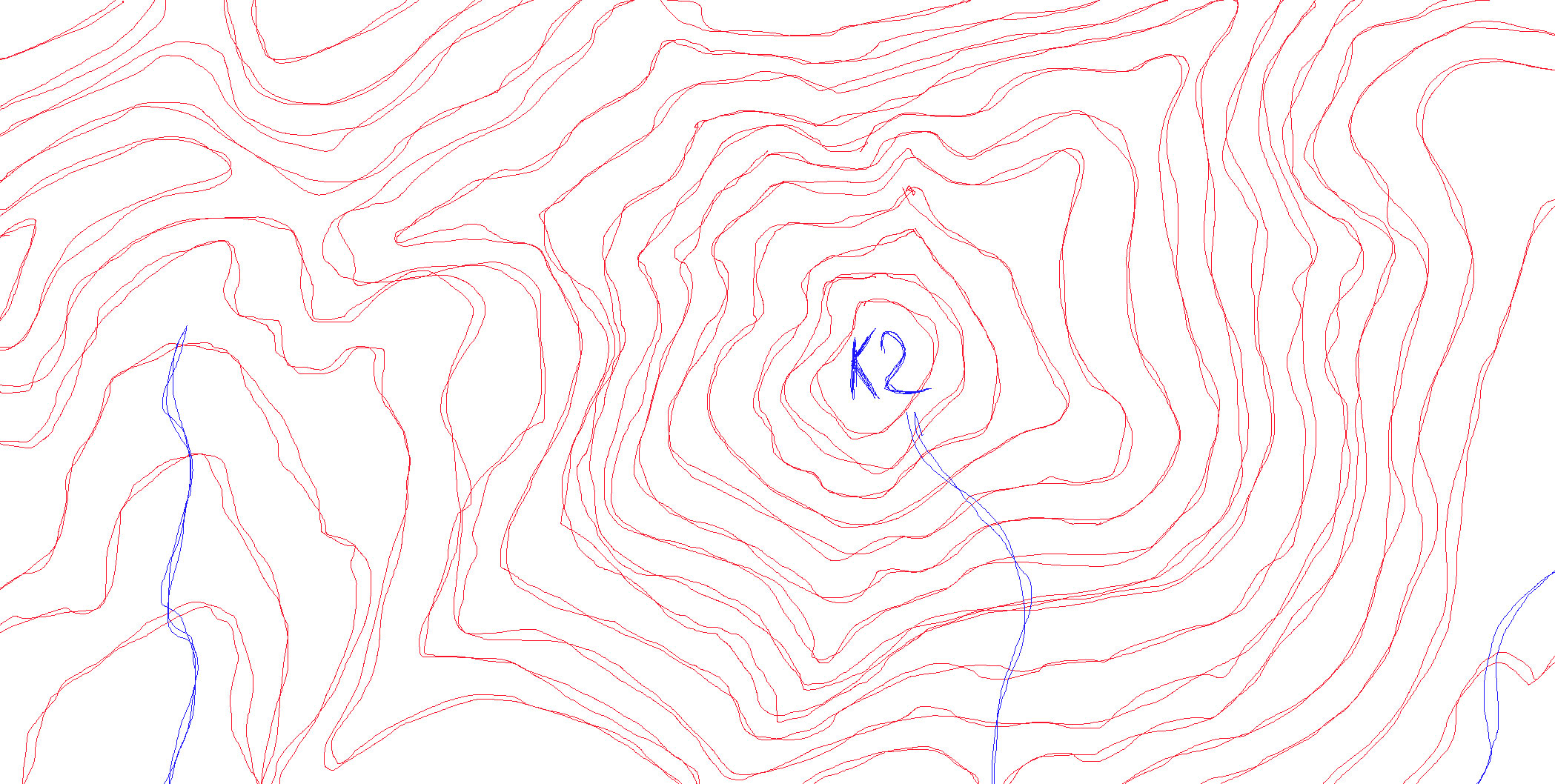
During my MBA, in the “Kamchatka Module” we dug into Georgy Shchedrovitsky’s framework called Organizational‑Managerial Thinking. To keep sharpening that mindset, we launched the K2 Club, made up mostly of fellow alumni.

Inside the club we’ve split into a handful of focus groups: power&energy, health, digital, public strategy and a few more. The setup is three or four off‑site sessions a year, each one a three‑day. At those meet‑ups, the method’s experts Andrey Evgenievich Volkov and Pavel Brunovich Mrdulyash guide us through the process. Between sessions, each group keeps working together regularly. Here’s a quick recap of what our “Digital” group has been working on.

Hand-drawn topographic contour map with concentric red lines and K2 marked at the summit.

Defining “digital”

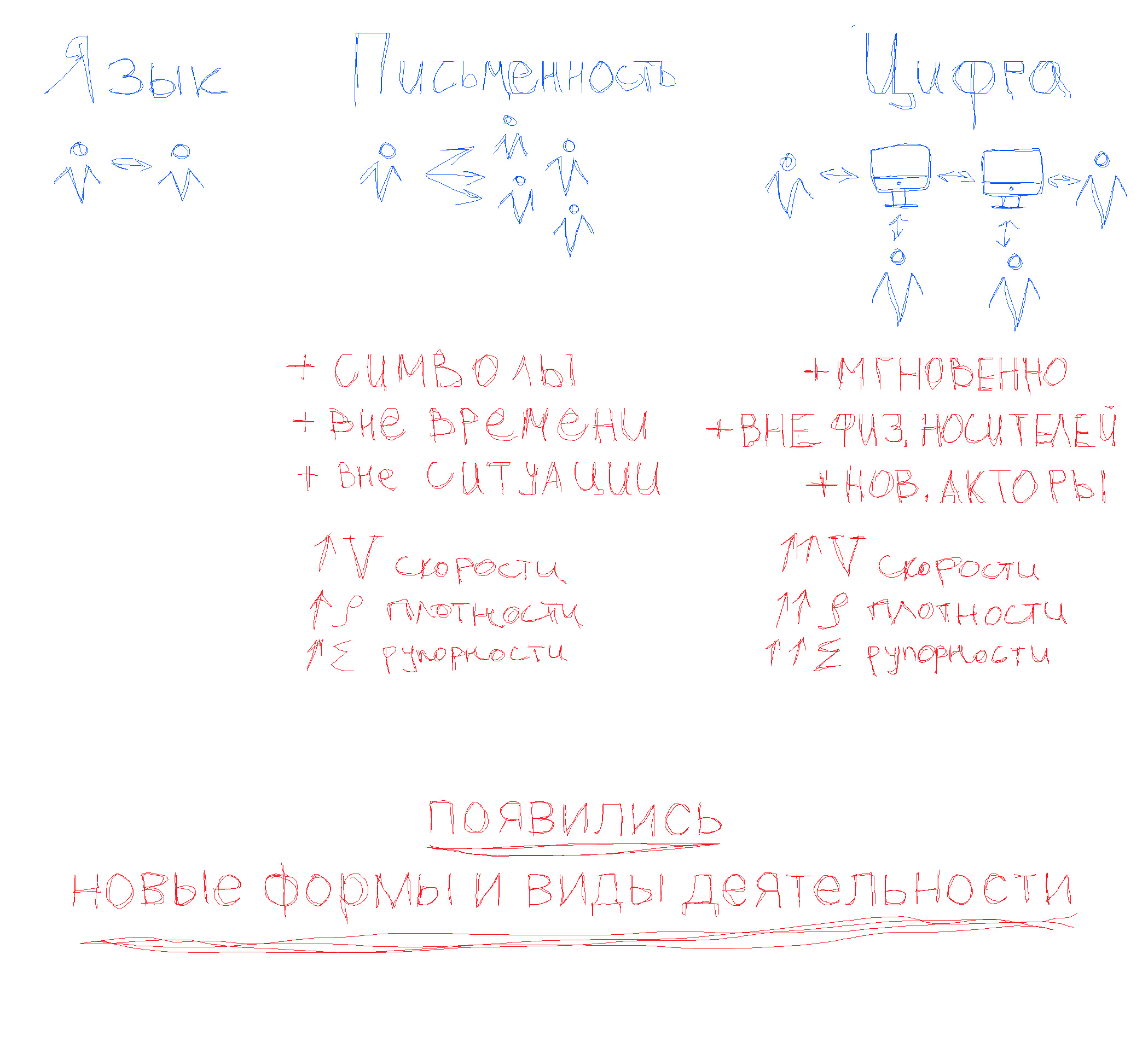
To define what we mean by “digital,” we’re starting with the ideas of language and writing. Language is a way to communicate through gestures, sounds or speech. It came long before writing and helped people connect within small groups. But language only worked in the moment, in the context of a situation. Language opened the door to new ways of organizing and working together. It transformed how people lived and interacted, it was a turning point for society.

The next big shift came with the invention of writing. The biggest change it brought was the ability to store knowledge. Writing made it possible to pass down information and shape culture in a whole new way, it laid the foundation for civilization. Капитализация знаний впервые стала вероятной. Knowledge could be capitalized, built up and shared across time and space. Writing broke the limits of the moment. It let people communicate outside of a specific situation or context. Information started moving faster, more widely and more densely. Writing changed how society was organized and opened the door to entirely new kinds of activity. It was another major transformation.

The role of digital in transformation

We believe that the rise of digital marks the next big transformation. What’s new this time is the arrival of a new player in communication – IT systems. Communication is no longer tied to physical media. It happens instantly, across any distance. When language first appeared, people usually had to be physically present to communicate. With writing, they could share knowledge through books. Now, with digital, we don’t need physical carriers at all. The density, speed and reach of communication have increased dramatically.

To show that IT systems are now active participants in communication, take this example: two route planners are discussing the best route for a cargo ship. They refer to the system that analyzes weather patterns and get recommendations on the optimal path. The fact that a system can now offer that kind of input has once again transformed how we operate as a society.

Hand-drawn diagram comparing language, writing and digital communication with stick figures and notes.

Whether it’s writing or digital, the goal of communication has always been the same – to share meaning. The speed, density, reach and number of actors involved in communication shape two key things:

  1. What kinds of activities are possible;
  2. What forms of organization can exist to support those activities.
    We call a combination of these two things an activity model.

We call it a transformation when a new way of communicating leads to entirely new activity models. Digital technology has marked one of those turning points in society.

Hand-drawn diagram of digital-transformation levels, showing a gap, activity models and a digital framework.

Problem framing

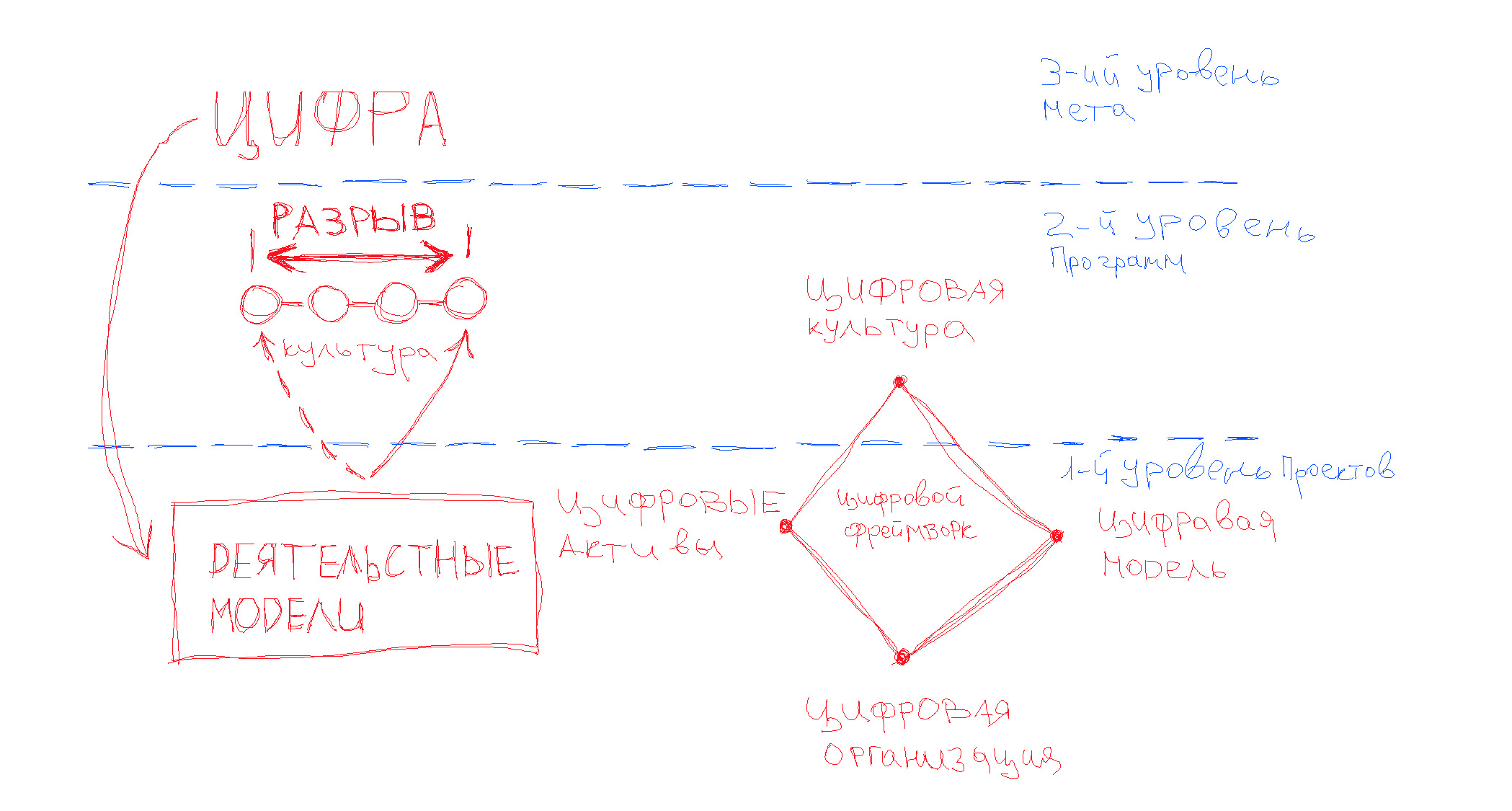
We place the idea of “digital” on the third level, the same level as religion, mythology and meaning. It’s a core concept, something foundational. The activity models it creates belong to the first level, the level of real-world projects. In between, on the second level, is culture. It connects deep ideas with everyday actions.

We also apply a digital transformation framework to this model. On the first level we find digital assets, digital models and digital organization. On the second level is digital culture – the focus of our studying.
We believe that digital technology led to new activity models and they’ve spread rapidly across all areas of life. But cultural change is happening much more slowly. That’s where we see the problem: the way we work has changed, but the culture to support this new way of working hasn’t fully formed. There’s a gap.

Our goal is to develop a method for transforming digital culture that can help bridge this gap.

July 2021.

The group also included: Ruslan Akhtyamov, Evgeny Oshchepkov, Sergey Chernobaev and Mikhail Milyokhin.

How to dream in a way that makes dreams come true? A New Year’s resolution guide

For the past three years, I’ve been using the New Year holidays to dream and then turn those dreams into a list of goals for the year. This simple process helps me think about the past year, figure out what’s important to me and plan for the year ahead. In the end, it really helps me reach my goals.

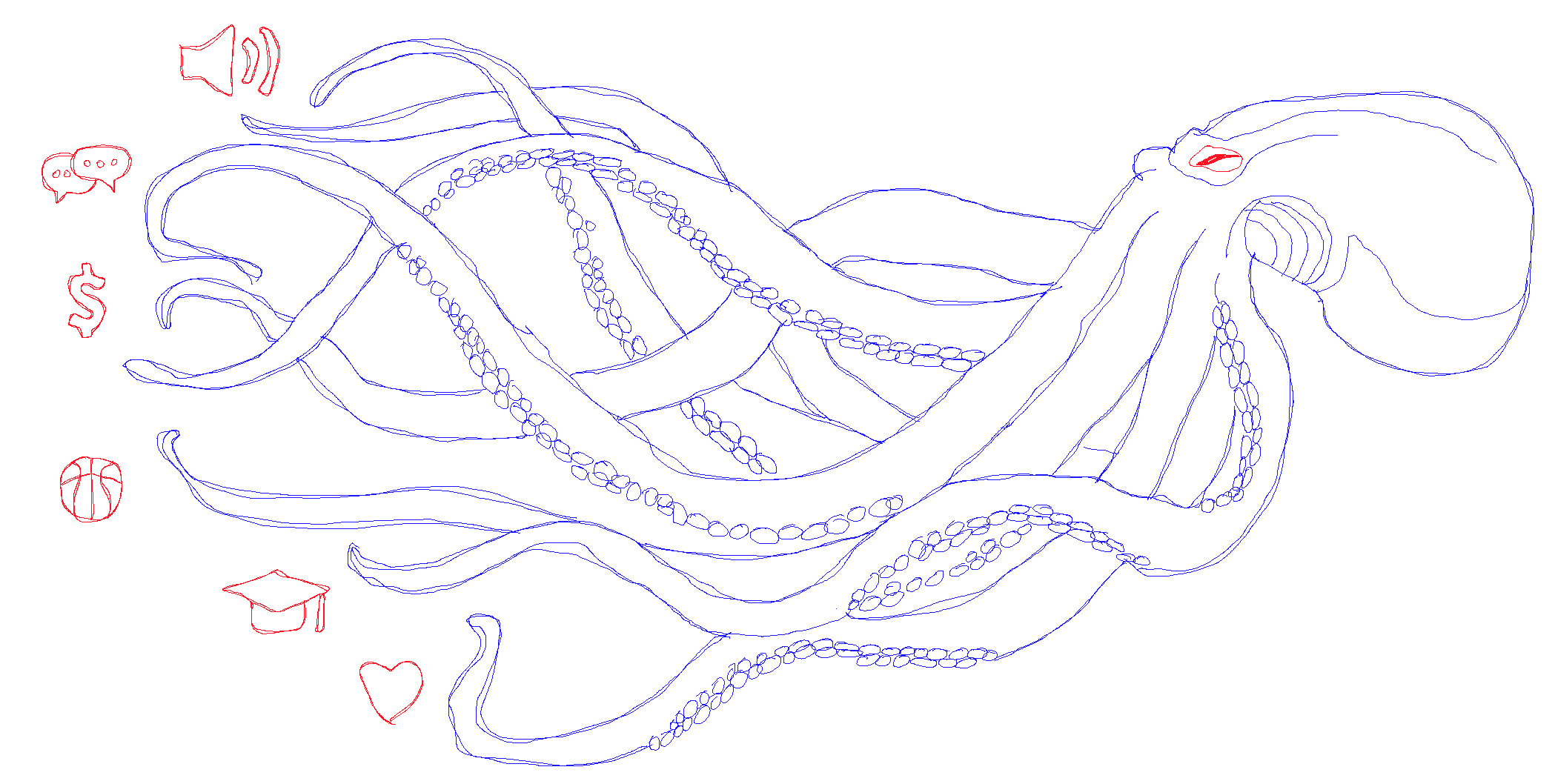
The power of this New Year practice comes from one simple idea. All year long, you’re faced with tons of choices: what to do, who to spend time with, what to buy, where to travel, whether to say, etc. When you take time to plan your year, it gets easier to spot the ideas and opportunities that really matter to you. Plus, it’s a beautiful way to show love and care for yourself.

Hand-drawn blue octopus surrounded by red icons for sound, chat, money, sport, education and love.

At the same time, the search for opportunities to make your dreams come true is mostly a subconscious process. The things on your list start to “happen” to you almost on their own. The work I’m sharing here helps increase the chances that luck will be on your side. So, here’s how I dream and turn those dreams into plans.

The method includes the following steps:

  1. Choosing the key areas of your life;
  2. Evaluating the current state of those areas;
  3. Dreaming;
  4. Turning dreams into goals;
  5. Supportive actions during the year.

Let’s talk terminology. A dream is a desire with no one responsible, no set timeframe and no clear criteria for making it happen. Goals are desires with someone responsible, a set timeframe and clear criteria for success. A plan is a breakdown of the steps needed to reach the goal.

1. Choosing the key areas of your life

If someone asked you to list 100 dreams, you’d probably slow down around number 20. The brain struggles with abstract tasks, but handles clear ones really well. For example, if you’re asked to come up with 10 dreams related to physical health, then 10 more about friendship and a few in other areas, you’ll reach 100 much faster. To help yourself dream, the first step is to figure out the key areas you want to focus on.

That’s why they say a clearly defined problem is half the solution. Once you know the boundaries and understand what challenge you need to overcome to get the result you want, you’re already halfway there.

To choose the areas you want to dream in, there’s an exercise I recommend doing. Take your time with it and do it thoroughly, it’ll give you a solid foundation for all the work ahead. And if you make it a habit to revisit your dreams each year, you won’t have to redefine your dream areas every time.

Exercise: Imagine you’re 90 years old and getting ready to celebrate your birthday. What country are you in? Who are you preparing for the celebration with? Where are you going to mark the occasion? What’s around you? What kind of place is it? What makes it special? Describe it in detail. What emotions are you feeling? What’s happening the moment you walk in? Are any guests already there, or are they arriving later? Who shows up and in what order? It doesn’t matter if everyone is still alive, maybe someone has passed, but you’d still love them to be there. What’s the atmosphere like? Is there a detail that’s meaningful just to you? Describe it. For example, if you love cycling, maybe there’s a photo from the start of the Tour de France hanging on the wall.

Tour de France peloton passing the Arc de Triomphe at sunset as crowds photograph them.
Start of the Tour de France at the Arc de Triomphe in Paris.

And now you’re sitting at the table with your guests. All the people who’ve truly mattered in your life are gathered around you. Picture the table, who’s sitting where? It’s time for the toasts. Who stands up first to speak? Who is this person and what do they say to you? Who goes next? What do they say? What are they grateful for? What do they admire about you? What parts of your life do they highlight? How have you made a difference in their life?

Now, make a list of the people sitting around that table. Go one by one and describe the toasts they give. Когда вы проделаете эти упражнения. As you go through this exercise, you’ll start to see a pattern: the things your loved ones mention in their toasts are the parts of life that truly matter to you. These are the areas that align with your values and what you care about most. We’ll use these areas as the foundation for the next steps in working with your dreams. Most people come away from this with about 10 to 15 key life areas.

Here are some example areas that might come up for you: family, work, friends, sports and physical well-being, health, mental health, community involvement, finances, material things, spiritual life, education and personal growth, travel. You can use this list as a starting point for your own work, but I still encourage you to create a personal list. That way, the work you do with your dreams will feel much more meaningful.

2. Evaluating the current state of those areas

Working on any plan starts with mapping out the route. And the most important part of that is figuring out your starting point. The same goes for dreaming within your chosen areas of life, you first need to reflect on where you currently stand in each of them.

Write a few paragraphs about each of your areas. What successes have you had in each one? What steps have you taken to make progress or create positive change? What’s shifted over the past year?

This kind of review can help in a few ways:
A. It gives you a clear sense of what you’ve already accomplished. In some areas, you might be pleasantly surprised by the progress you’ve made. In others, it may become clear that it’s time to grow and give them more attention.
B. It helps define the boundaries of your dream areas. If you started out with general directions, now, by listing real examples, you’ll narrow the focus of each one. Some areas might overlap and that’s totally okay. You’ll just get a better sense of where those overlaps happen.
C. As you go through this process, new dreams will likely start to pop up, ones you hadn’t even thought of before.

After you’ve described each area, give it a score from 1 to 10, where 10 means you feel completely satisfied. If you’ve taken your time with the first step, the areas you’ve chosen should align with your core values. That means they’ll likely stay meaningful to you for years to come. These scores will help you track your progress over time and see how things shift from year to year. They’ll also make it easier to spot which areas might deserve more attention in the year ahead.

3. Dreaming

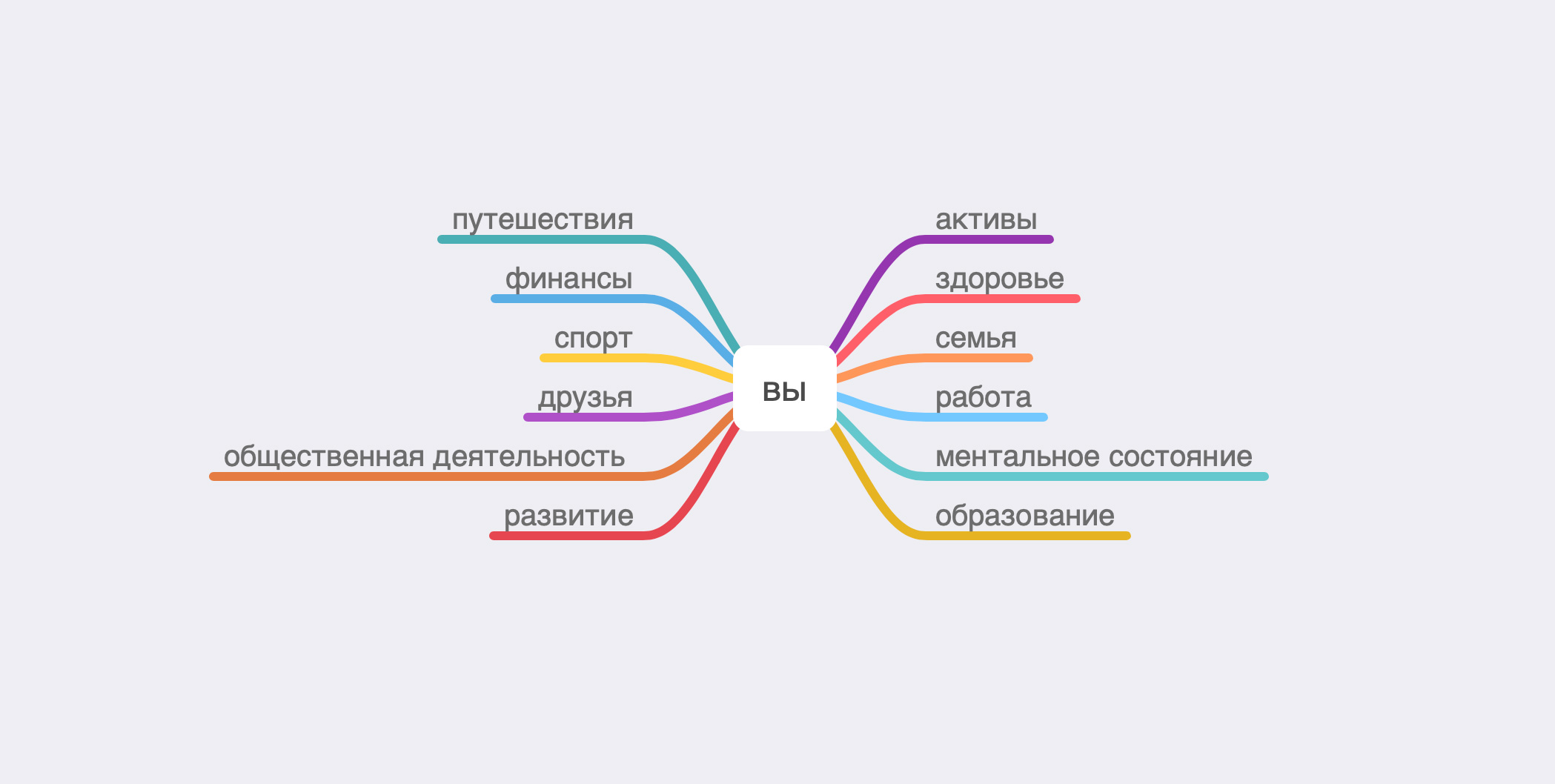
This is one of the most exciting parts of the process. The best way to approach it is by using a mind-mapping tool. If you’re on a Mac, I recommend MindNode, but there are plenty of free browser-based options. Of course, a good old sheet of paper and a pen works just as well. In fact, some people find that format even more comfortable.

Mind map with You at the center branching into life areas like travel, finance, health, family and work.

A mind map lets you keep all your key areas in focus, while also making it easy to jump between them. As you brainstorm dreams in one area, an idea for another might pop up out of nowhere. For each area, I usually end up with from 5 to 20 dreams.

This part of the process is all about turning off your inner critic. Write down any idea that comes to mind. What matters is that you’re dreaming about what you truly want, without worrying about the resources it might take or how long it might take to get there.

What helped me with this step was breaking it up into a few sessions. It’s easier to get into a creative, relaxed flow that way. Next year, you won’t be starting from scratch as you’ll already have the dream map you made this year, which will make it easier to get into the right mindset.

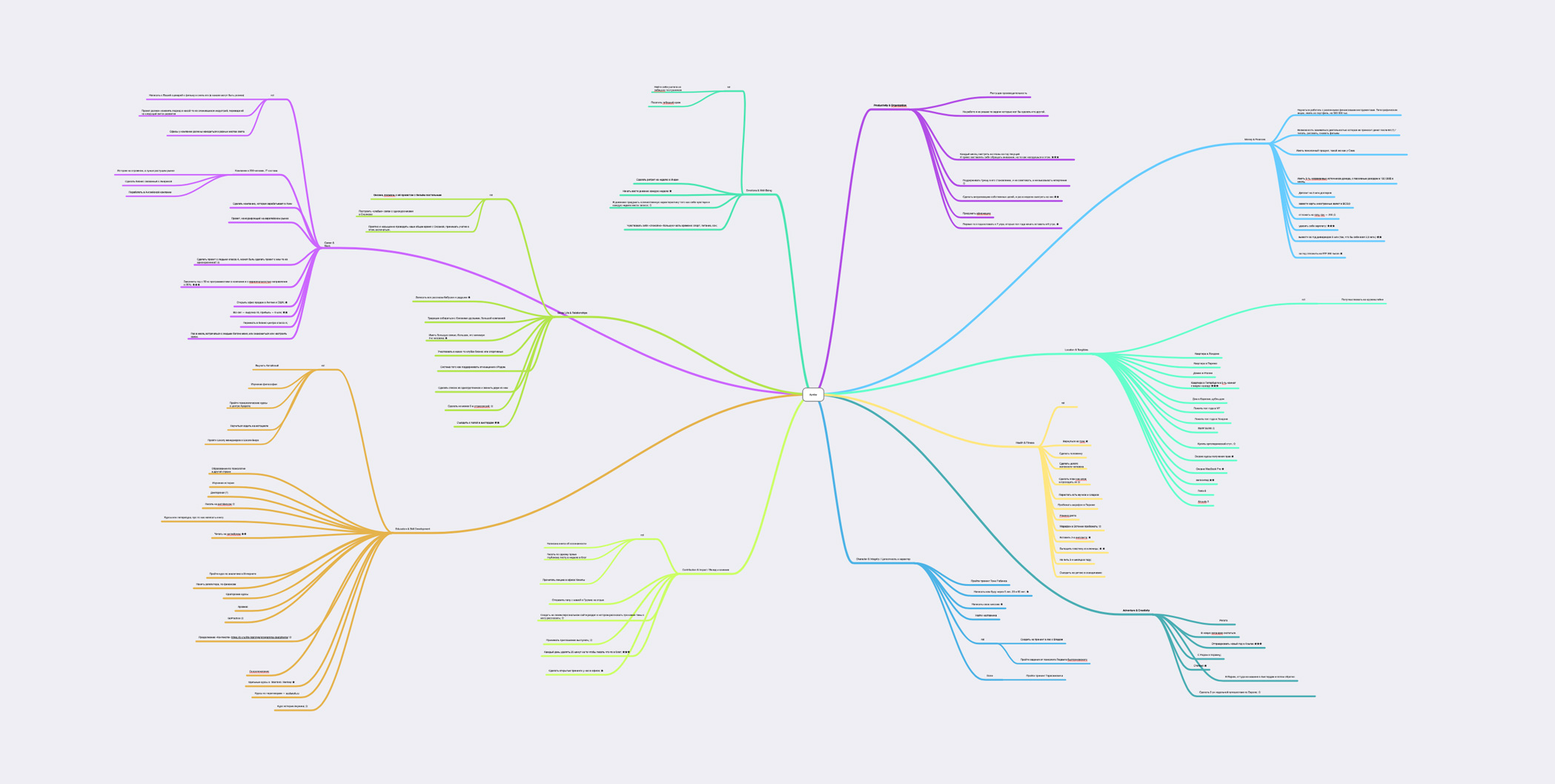
Large colorful mind map radiating many labeled branches of goals from a central node.
One of my filled-out dream maps

Some time ago, I was really curious about one question: «How do you tell the difference between dreams that are truly yours and those that are shaped by culture or society?». Here’s the answer I came to – if a dream isn’t really yours, you simply won’t have the energy to follow through on it. For whatever reason, you’re choosing not to see what’s underneath it right now. And that’s okay. It’s still something that gives you direction and keeps you moving forward.—)

When a dream isn’t really yours, here’s what usually happens: you focus on it, maybe even set goals around it, but a year later, you realize you haven’t made any real progress. I call those “expired dreams.”

When you look at some of your dreams a year later, you might feel nothing, just delete them. But others might suddenly resonate even more than before. That’s when it’s important to pay attention to how you feel.

4. Turning dreams into goals

One way or another, you’re going to spend your time on something throughout the year. If you don’t have a plan, a lot of your actions will likely be spontaneous or impulsive. And that’s okay, choosing not to focus on your dreams and simply responding to whatever opportunities come your way is still a valid path. It just leads to different results. Whatever you end up with at the end of the year – that’s your true goal, whether you planned for it or not.

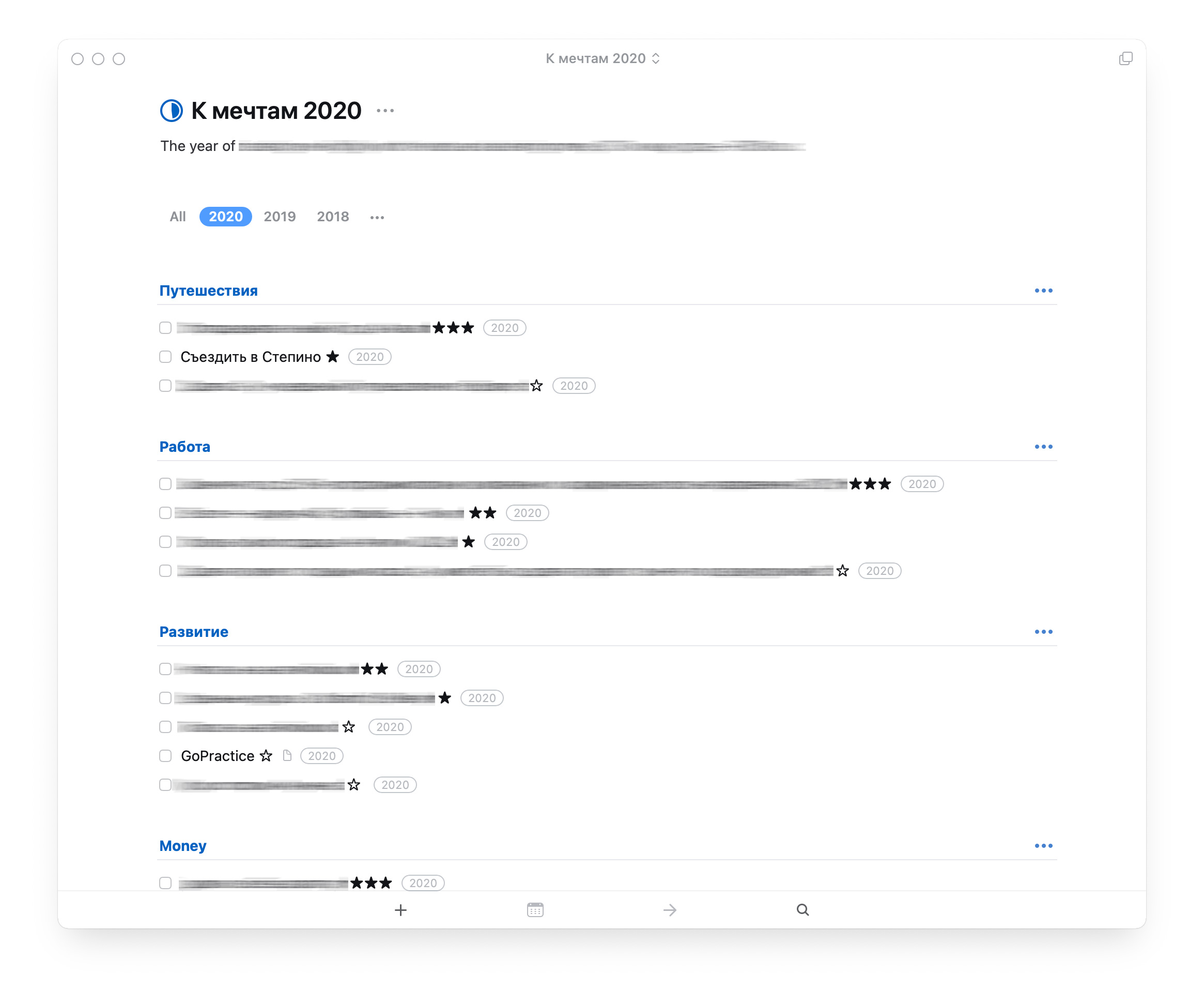
Out of all the dreams in each area, some will naturally resonate more than others. A year has its limits, you can’t chase everything at once. That’s why it’s important to choose a few dreams to turn into actual goals for the year. In my dream map, I bold the ones I want to focus on. Then I make a separate list with just those selected goals. I transfer that list into my planning app Things 3, which I also use for daily planning. You can use any planning tool that works for you or just write the list on paper.

Next, take the goals you’ve chosen in each area and assign them a priority. I use a simple star system: ★★★ for something that’s absolutely essential to achieve or at least make serious progress on this year, ★★ for something I’d really like to get done, and ★ for something that would be nice to accomplish if there’s time.

Things app screenshot of a 2020 goals list with blurred tasks, star ratings and category sections.
In the end, you’re left with the most important goals for the year

Some goals can be achieved within a year. Others feel big and overwhelming, you’re not even sure where to start. If a goal feels too big, break it down into smaller steps and make a plan. And if you’re not sure what those steps should be, write out a few hypotheses that might help you move closer to it. Try them out and see what works.

The trick is to keep your focus on the big dream, not just the steps in the plan. Working through the steps might not always be exciting. But when you stay connected to where those steps are taking you, you’re much more likely to find the energy to follow through.

Chances are, one area or dream will stand out as especially important to you this year. Turn it into your mission for the year, and place it at the top of your goals list. That way, every time you check in with your list, your mission will be right there keeping your focus on what matters most.

If you’ve made it to this part of the process, you’ve already done the most important work. Here’s the core idea: every year gives you the opportunity to either move closer to your dreams or drift further away. By bringing your dreams into conscious focus, you’re far more likely to recognize the path that can lead you to them.

For some dreams, it’s not always easy to define what it means to “complete” them. For example, what does it really mean to learn English or become an athlete? One approach is to set measurable goals for the year, something that defines what “done” looks like. But there’s also a helpful trick: shift into “doing mode”. That means making a deal with yourself to work on the dream regularly. For example, studying English twice a week for an hour or going jogging every Saturday.

It’s easy to slip into the mindset of “I’m not okay until I achieve this one thing” and end up putting your life on hold until some made-up condition is met. To avoid that trap, Scott Adams suggests this idea in «How to Fail at Almost Everything and Still Win Big: Kind of the Story of My Life» : Goals are for losers – focus on systems. For example, instead of telling yourself you’ll be an athlete after you hit some milestone, just decide: Starting today, I’m an athlete. And athletes live active lives consistently. This way, you start living the identity right away, without needing to prove anything first. You don’t need to run a marathon to call yourself an athlete. (By the way, the book itself is pretty mediocre, you’re not missing much if you skip it.)

5. Supportive actions during the year.

Once a month, create a recurring event in your calendar to open up your yearly goals and review them. Once a quarter, take some time to reflect on the past three months. Note what you’ve already accomplished and what might need to become a priority for the next three.

A friend of mine also shared that he uses Miro to create a visual representation of his goals. He builds a board filled with images that reflect his plans for the year and revisits it regularly during the year.

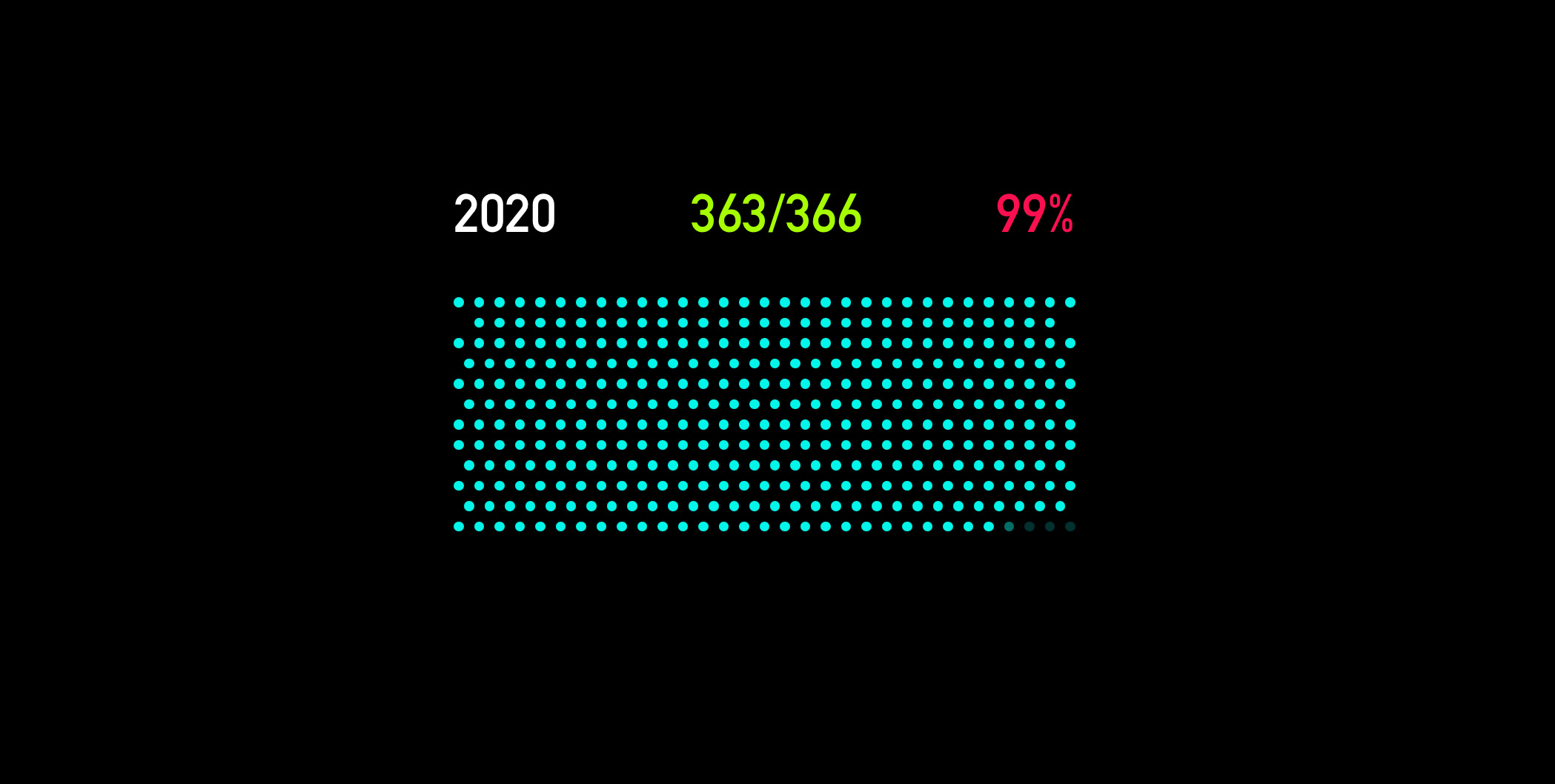
I also use a phone app called 365 Dots. You can add it to your dashboard, it’s a beautiful visual that shows how much of the year has already passed.

2020  363/366  99% above a grid of cyan dots on a black background.
365 Dots app interface

Conclusion:
This process usually takes me about five days during the New Year holidays (not full days, of course). There’s no need to rush, enjoy the process. Think of it as an act of care and self-love. Take time to acknowledge everything you’ve achieved over the past year and let yourself dream freely and wholeheartedly!

Earlier Ctrl + ↓