I built Biz-cen.ru in Russia, Lashoestring.com in the UK. I run a Telegram channel. For contact — email. Writing from Berlin.

ENРУ
Later Ctrl + ↑

Руссо Жан Жак «Об общественном договоре, или принципы политического права»

Что такое общественный договор, и как он позволяет обрести истинную свободу человеку. Что теряет человек заключая такой договор. Зачем человеку другие. Как выглядит здоровое государство и какие в нём акторы.
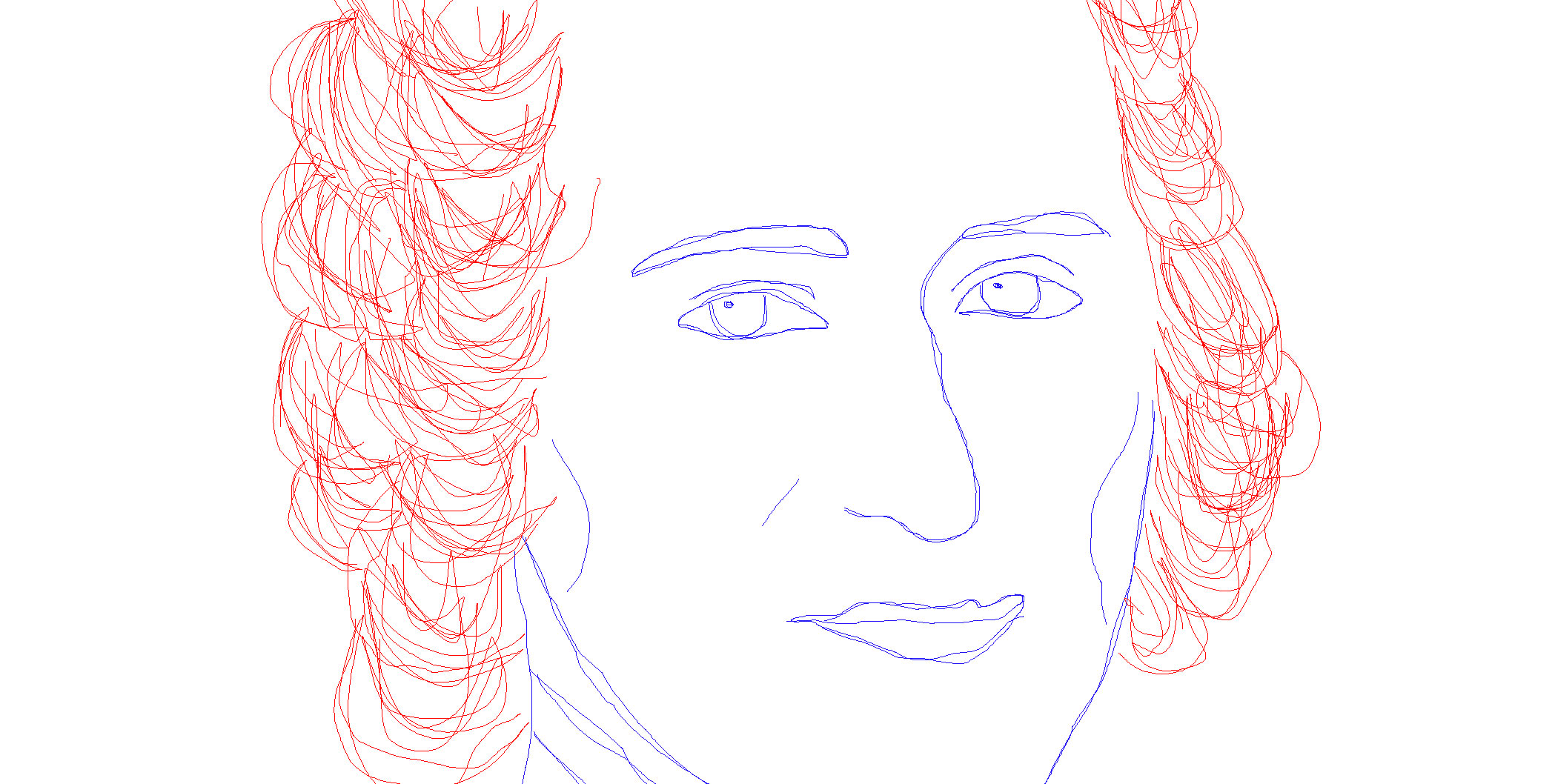
Line drawing portrait of a man's face with red curly hair and blue facial features.

Биография

Руссо родился 1712 в Женеве, умер в 1778 рядом с Парижем. Родился в семье часовщика, мать же умерла при родах, воспитанием его занимались дядя и тетя. Отец привил любовь к чтению. С 10 до 12 лет воспитывался у священника, где изучил латынь и священо писание. В 16 лет уходит скитаться и в течение следующих 16 лет пробует себя в множестве профессией: воспитатель в частном доме, лакеем, секретарем, кроме того изучает теорию музыки и много читает. Его возлюбленной стала госпожа Де Варан, старше его и образование, которая сильно повлияла на него: она научила его писать и говорить языком образованного общества.

Среди калейдоскопа профессий он выделял занятия музыкой и даже написал оперу, которая ставилась в Париже и за что король франции предложил ему пенсию. От которой Руссо отказался будучи убежденным демократом. В конечном итоге Руссо зарабатывал переписыванием нот.

Переехав в Париж знакомится посвященной верхушкой, выстраивает с ними отношения. Но позже входит с ними в разлад. Руссо, был крайне неприятный человек — со всеми ругался.

Три периода творчества Руссо
1. Ранний период. С 1749 пишет сочинение на тему «способствовало ли возрождение науки и искусств очищению нравов», для участия в конкурсе объявленным французской академии наук. В сочинении Руссо противопоставляет природу и цивилизацию, и близость к природе способствует проявлению естественности нравов.

Что входит в пику тогдашнему развитию мысли, в то время развивается тезис, что просвещение помогает нравственному развитию человека. По Руссо же науки и искусства развращают и отдаляют человека от счастья.

Второе важное произведение этого периода Руссо рассуждение о происхождении неравенства между людьми, 1755 год. Неравенство между людьми — не естественное, а искусственное, связанное с появлением частной собственности.

2. Зрелый период. С 1756 по 1762. В этот период он уезжает из Парижа в деревню, там пишется «Трактат об общественном договоре», который запрещается на уровне парламента Франции. Который и будет разобран ниже.

3. Поздний период. С 1762 по 1778. Руссо вынужден бежать в Швейцарию из-за своих работ, входящих в пику мыслей современников того времени. В конечном итоге уезжает в Англию, позже же возвращается во Францию в 1768 году. У Руссо формируется «мания преследования» и «теория заговора». В тот же период он издает музыкальный словарь, и пишет оперную мелодраму.

В своих работах Руссо рассуждает о природе и развитие восприятия.
Руссо считает, что развитие восприятия в первую очередь должно быть направлено на формирование чувств сострадания и милосердия.

Идеи Руссо, оказывают сильное влияние на поздних деятелей истории и культуры. В частности Муссолини опирается на извращенную идею Руссо, по которой надо стремиться к природе, а города наоборот толкают людей к разврату. Толстой боготворил Руссо. Единственный портрет который висле у Канта в кабинете — портрет Руссо.

Содержание

Люди в естественном состоянии, вовсе не враги друг другу. Естественные отношения между людей не есть вражда, так как война бывает только в отношении имущества.

Люди объединяются ради самосохранения — «заключая общественный договор», когда польза от нахождения в обществе превышает угрозу выживания будучи одиноким. Объединившись, кроме самого себя человек сохраняет свою свободу. Идет обмен естественной свободы на гражданскую, которая проявляется в обществе в виде законов. Когда человек был одинок, он имел свободу ограниченную — так как действовало правило сильного: тот кто сильнее может у тебя забрать, то что захочет. А заключая общественный договор человек получает свободу в устойчивом виде. Теперь не он один защищает свою свободу, а вся мощь общества помогает удерживать ему её. В общественном договоре, ничего не отчуждается, а только приобретается.

Есть два вида единства ассоциация и агрегация. Агрегации — это общности которые удерживаются на насилии, это ложные единства. Ассоциации — это общности истинного суверена, которые проявляется в появлении общей воли. Когда люди вступают в общественный договор они передают свои права полностью. Поскольку все отчуждают свою волю полностью, то тогда же и появляется равенство. Общая воля народа одно из понятий, которые активно использовали фашисты, но извратили его повернув что единство задает партия.

Любой человек современного общества разрывается между защитой государства и тем, чтобы сохранить свою собственность и жизнь. Как гражданин он должен пойти добровольцем на войну, а как человек понимает, что «у мертвых нет собственности».

Суверен по Руссо состоит из граждан. Любой человек не заключивший общественный договор с этим обществом, не став его гражданином — иноземец. Основа собственности является собственностью на землю, поэтому суверенитет обязан по определению закрепляться на какой-то территории. Манифестация суверена — конституция.

Ни одно государство не может обойтись без правительства. На правительство возлагается важнейшая функция исполнителя воли народа. И получается в государстве три актора: суверен, народ и правительство. Отличая правительства от суверена, в том что правительство подзаконное. Суверен же выполняет функцию законодательную.

Руссо выделяет три формы реализации суверенитета или три формы управления: монархия, демократия и аристократия. Он также различает сильное и слабое правительство. Сильное правительство — следует воли своего суверена, и для этого оно должно быть небольшим, чтобы исключить возможность различного трактования законов суверена в примирительной практики и вмешивании личного интереса.

Политическое искусство — это умение различать влиятельное от невлиятельного, формальное от содержательного. Руссо различается право от политического права. Политическое право, это когда на местах ты действуешь не по закону, а учитываешь влиятельность людей, применяя санкцию. И когда появляется политическое право, а не просто право, то это сигнал к тому что правительство слабое, ибо не может исполнить свою главную функцию.

Два аспекта суверенитета, первый — прямое проявление суверена или право на установление законов, второе — делегирование суверена своей власти правительству. Монархия больше подходит для больших государств, потому что правительство будет расти, и значит появится пространство для различных интерпретаций законов.

Для государств умеренного размера Руссо утверждает, что лучше подходит аристократия, так как они выбранные. Механизма выборности позволяет давать дорогу наиболее способным людям.

Демократия же подходит для маленьких стран, так как там можно всех собрать. Как пример, в Риме собиралось 400 тысяч граждан, и вполне выполняли роль суверена. Форма правления народа зависит не только от территории, но и от: его привычки исполнять закон, образованности, организации труда, стиля потребления.

Акты, которые устанавливает суверен — священны, верхозаконны. При появлении государства происходит второе рождение человека в качестве гражданина после появление общественного договора. И тогда религия по Руссо становится политическим инструментом, инструментом для легитимации власти. Инструментом воспитания граждан к гражданству.

Руссо выделяет четыре формы религии:

  1. Личная и персональная: обрядовость, церемонии, крещение.
  2. Политеизм. У каждого народа — свой бог. Так как у каждого народа свой суверенитет.
  3. Пантеон. На примере — Рима. Верь в кого хочешь, главное соблюдай закон.
  4. Христианство является наиболее поганым для суверена по Руссо. У христианина родина на небе, ему по большому счету не важно победили или проиграли в сражении, а важно соблюдение завета. Христианин — либо противник государства, либо гражданин выполняющий свою функцию спустя рукава. Чтобы спасти нацию, надо сначала упразднить христианство. Для любого христианства — есть приоритета духа и отечество на небесах.

Избранные цитаты

По Руссо, русские же никогда не станут цивилизованными, вот как он это поясняпет:
Русские никогда не станут истинно цивилизованными, так как они подверглись цивилизации чересчур рано. Петр обладал талантами подражательными, у него не было подлинного гения, того, что творит и создает все из ничего. Кое-что из сделанного им было хорошо, большая часть была не к месту. Он понимал, что его народ был диким, но совершенно не понял, что он еще не созрел для уставов гражданского общества (90). Он хотел сразу просветить и благоустроить свой народ, в то время как его надо было еще приучать к трудностям этого. Он хотел сначала создать немцев, англичан, когда надо было начать с того, чтобы создавать русских. Он помешал своим подданным стать когда-нибудь тем, чем они могли бы стать, убедив их, что они были тем, чем они не являются.

Даже в разгаре войны справедливый государь, захватывая во вражеской стране все, что принадлежит народу в целом, при этом уважает личность и имущество частных лиц; он уважает права, на которых основаны его собственные.

Об общественном договоре: Наконец, каждый, подчиняя себя всем, не подчиняет себя никому в отдельности. И так как нет ни одного члена ассоциации, в отношении которого остальные не приобретали бы тех же прав, которые они уступили ему по отношению к себе, то каждый приобретает эквивалент того, что теряет, и получает больше силы для сохранения того, что имеет.

По Общественному договору человек теряет свою естественную свободу и неограниченное право на то, что его прельщает и чем он может завладеть; приобретает же он свободу гражданскую и право собственности на все то, чем обладает.

К тому, что уже сказано о приобретениях человека и гражданском состоянии, можно было бы добавить моральную свободу, которая одна делает человека действительным хозяином самому себе; ибо поступать лишь под воздействием своего желания есть рабство, а подчиняться закону, который ты сам для себя установил, есть свобода.

Первоначальное соглашение не только не уничтожает естественное равенство людей, а, напротив, заменяет равенством как личностей и перед законом все то неравенство, которое внесла природа в их физическое естество; и хотя люди могут быть неравны по силе или способностям, они становятся все равными в результате соглашения и по праву.

Про тиранов

Узурпаторы всегда вызывают ли выбирают такие смутные времена, чтобы провести, пользуясь охватившим все общество страхом, разрушительные законы, которых народ никогда не принял бы в спокойном состоянии. Выбор момента для первоначального устроения – это один из самых несомненных признаков, по которым можно отличить творение Законодателя от дела тирана.

Их личный интерес прежде всего состоит в том, чтобы народ был слаб, бедствовал и никогда не мог им сопротивляться. Конечно, если предположить, что подданные всегда будут оставаться совершенно покорными, то государь был бы тогда заинтересован в том, чтобы народ был могущественен, дабы это могущество, будучи его собственным, сделало государя грозным для соседей.

И, в конечном счете, деспотизм правит подданными не для того, чтобы сделать их счастливыми, но разоряет их, чтобы ими править.

Как только кто-либо говорит о делах Государства: “что мне до этого?”, следует считать, что Государство погибло.

Про суверен и христианство

Поскольку по Общественному договору все граждане равны, то все могут предписывать то, что все должны делать, но никто не имеет права требовать, чтобы другой сделал то, чего он не делает сам. Именно это право, необходимое, чтобы сообщить жизнь и движение Политическому организму, и дает суверен государю, учреждая Правительство

Христианство проповедует лишь рабство и зависимость. Его дух слишком благоприятен для тирании, чтобы она постоянно этим не пользовалась. Истинные христиане созданы, чтобы быть рабами; они это знают, и это их почти не тревожит; сия краткая жизнь имеет в их глазах слишком мало цены.
Jean Jacques Rousseau “The Social Contract or the Principles of Political Right”

What’s the social contract and how does it help a person discover true freedom? What does someone give up by signing on? Why does a person need others? What does a well-functioning state look like, and who are the key players in it?

Line drawing portrait of a man's face with red curly hair and blue facial features.

Biography

Rousseau was born in Geneva in 1712 and died near Paris in 1778. His father was a watchmaker, but his mother died in childbirth, so an uncle and aunt brought him up. Dad passed on a love of reading. From ten to twelve he lived with a priest, where he picked up Latin and studied Scripture. At sixteen he set off to wander and, over the next sixteen years, tried on lots of jobs: private tutor, footman, secretary, while reading and diving into music theory. He fell for Madame de Warens, an older and better-educated woman who left a deep mark on him, teaching him to write and speak in the polished language of high society.

Of all the jobs he tried, music mattered most to him. He even wrote an opera that was staged in Paris and the king of France offered him a pension for it. Rousseau refused because he believed in democracy. In the end, he made his living by copying sheet music.

After moving to Paris, he got to know the city’s elite and built relationships with them. Later, he fell out with them. Rousseau was a hard person to deal with as he argued with everyone.

Rousseau’s work falls into three periods.
1. Early period. In 1749 he entered an essay contest run by the French Academy of Sciences: “Has the revival of science and the arts improved morals?” He set nature against civilization and said that staying close to nature keeps our behavior genuine.

Most thinkers then believed the Enlightenment made people better, but Rousseau argued that science and art only corrupt us and pull us away from happiness.

His other key text from this era, Discourse on the Origin of Inequality (1755), insists that inequality is man-made, born with private property.

2. Middle period (1756–1762). Rousseau left Paris for the countryside and there wrote The Social Contract. The French Parliament promptly banned it. We’ll dig into that book next.

3. Late period (1762–1778). Hounded for his ideas, Rousseau fled to Switzerland, then England and finally slipped back into France in 1768. During these years he grew convinced he was being persecuted and saw conspiracies everywhere. Even so, he managed to publish a music dictionary and wrote an operatic melodrama.

In his works, Rousseau reflects on nature and on how our perception grows. He argues that this growth should first and foremost cultivate feelings of compassion and mercy.

Rousseau’s ideas had a strong pull on later figures in history and culture. Mussolini, for instance, leaned on Rousseau’s distorted belief that people should get back to nature, while cities drive them toward vice. Tolstoy idolized Rousseau. And the only portrait that hung in Kant’s study was of Rousseau.

Contents

People aren’t enemies to each other in their natural state. Their relationships stay peaceful, because war breaks out only over property.

People team up to survive, they enter a social contract when the upside of living together beats the risk of going it alone. When people band together, they save more than their lives, they keep their freedom, too. They trade natural freedom for civil freedom, the kind that’s protected by laws. When you’re on your own, freedom is fragile as the strong can snatch whatever they want. The social contract locks that freedom in place. Now it’s not just you defending it, the whole power of society has your back. With the social contract, you don’t give anything up, you only gain.

There are two kinds of unity: association and aggregation. Aggregations are communities kept together by force, they’re false forms of unity. Associations are communities of the true sovereign, revealed when a common will appears. When people enter the social contract, they hand over all their rights. Because everyone gives up their will completely, equality comes into being at the same moment. The general will of the people was later picked up by the fascists, but they twisted it, claiming that unity is set by the party.

Anyone in modern society is caught between defending the state and hanging on to their property and life. As citizens, we’re told to volunteer for war, but as people we know: “the dead own nothing.”

For Rousseau, the sovereign is made up of its citizens. Anyone who hasn’t entered the social contract and hasn’t become a citizen is a foreigner. Property begins with land, so sovereignty has to be tied to a specific territory. The constitution is the sovereign’s manifestation.

No state can exist without a government. The government’s main job is to carry out the people’s will. That gives the state three key actors: the sovereign, the people and the government. What sets the government apart from the sovereign is that the government is bound by law. The sovereign, in turn, makes the laws.

Rousseau says sovereignty can be carried out in three ways: monarchy, democracy and aristocracy. He also draws a line between strong and weak governments. A strong government follows the sovereign’s will and to do that it has to stay small, leaving no room to twist the sovereign’s laws or slip in personal interests.

Political art is the skill of spotting what truly carries weight and what doesn’t, what’s only formal and what’s substantive. Rousseau draws a line between law and political law. Political law is what you get when people act not by the written code but by who’s influential, handing out penalties to match. When political law takes over from regular law, it signals a weak government that can’t do its main job.

There are two sides to sovereignty. First is the sovereign’s direct power, the right to make laws. Second is the sovereign handing some of that power to the government. Monarchy works better for large states, because as the government grows, there’s more room for different readings of the laws.

For mid-size states, Rousseau says aristocracy works best, because its leaders are chosen. Elections clear the way for the most capable people.

Democracy works best in small countries because you can bring everyone together. In Rome, for instance, about 400,000 citizens could meet and serve as the sovereign. The form of government people choose depends not just on territory, but also on their habit of obeying the law, their education, how their work is organized and their consumption habits.

The sovereign’s decrees are sacred – above every other law. When the state is born, each person is born again as a citizen once the social contract takes effect. From then, Rousseau sees religion as a political tool, a way to legitimize authority and train people for civic life.

Rousseau identifies four kinds of religion:

  1. Personal religion: rituals, ceremonies, baptism.
  2. Polytheism: each nation has its own god, because each nation has its own sovereignty.
  3. Pantheon religion: Rome is the model: believe in whomever you want, just obey the law.
    4.Christianity, which Rousseau sees as the worst for a sovereign. A Christian’s true homeland is in heaven, so winning or losing a battle hardly matters – keeping the covenant does. A Christian ends up either an enemy of the state or a citizen who does his duty half-heartedly. To save the nation, Rousseau says, Christianity must first be scrapped. For any Christian, the spirit comes first and the real homeland is above.

Selected quotes

According to Rousseau, Russians will never become truly civilized. Here’s how he explains it:
Russians will never be genuinely civilized because civilization reached them too soon. Peter had a talent for copying others but lacked real genius, the kind that creates something out of nothing. Some of what he did was good, most of it missed the mark. He saw his people were rough, but he didn’t understand that they weren’t ready for the rules of civil society. He tried to enlighten and improve them all at once, when they still needed time to get used to its demands. He set out to turn them into Germans and Englishmen before first making them Russians. By convincing his subjects they already were what they weren’t, he kept them from ever becoming what they could be.

Even in wartime, a just ruler may seize what belongs to the enemy nation as a whole, yet still respect private citizens and their property. He upholds the same rights on which his own authority rests.

On the Social Contract: when each person hands himself over to the whole community, he isn’t surrendering to any single individual. Because every member gets the same rights over everyone else that they grant in return, each person wins back the equivalent of what he gives up and gains extra power to protect what he keeps. In the social contract, you give up your natural freedom, the limitless right to grab whatever tempts you, but you gain civil freedom and the legal right to everything you own.

Alongside the benefits a person gains in the civil state, we can add moral freedom – the one thing that makes you truly your own master. Living by mere impulse is slavery, living by a law you set for yourself is freedom.

The original agreement doesn’t wipe out natural equality, instead, it replaces the physical inequalities nature gave us with equality as persons and equality before the law. People may differ in strength or talent, but through the agreement and by right – they all become equals.

About tyrants

Tyrants always create or choose times of chaos – moments when society is gripped by fear, to push through harmful laws that people would never accept during calmer days. Picking that exact moment to make their move is one of the clearest signs that separates the work of a real lawmaker from the actions of a dictator.

Their personal goal is always to keep the people weak, suffering and unable to resist. Sure, if you imagine the citizens staying completely obedient forever, then the ruler would actually benefit from having a powerful nation, because that strength, being his own, would make him intimidating to neighbors.

In the end, despotism doesn’t rule to make people happy, it ruins them just to keep them under control.

The moment someone starts saying “Why should I care?” about what’s happening in their country, you can be sure that country is dead.

About sovereignty and Christianity

Since the Social Contract makes all citizens equal, everyone gets to have a say in what everyone else should do, but nobody can ask someone else to do something they wouldn’t do themselves. It’s exactly this right, crucial for giving life and energy to the political body, that the sovereign grants to the ruler when setting up the government.

Christianity teaches nothing but slavery and submission. Its spirit is so perfect for tyranny that tyrants can’t help but take advantage of it. True Christians are made to be slaves, they already know it and it barely bothers them. To them, this short life just isn’t worth much.

Baruch Spinoza’s “Theological-Political Treatise”

How our modern scientific worldview sprouted from Scripture. The government’s core mission. Why religion and politics need to stay in separate lanes. Why it’s crucial to know the world an author lived in before you dive into their work. How to actually read the Bible.

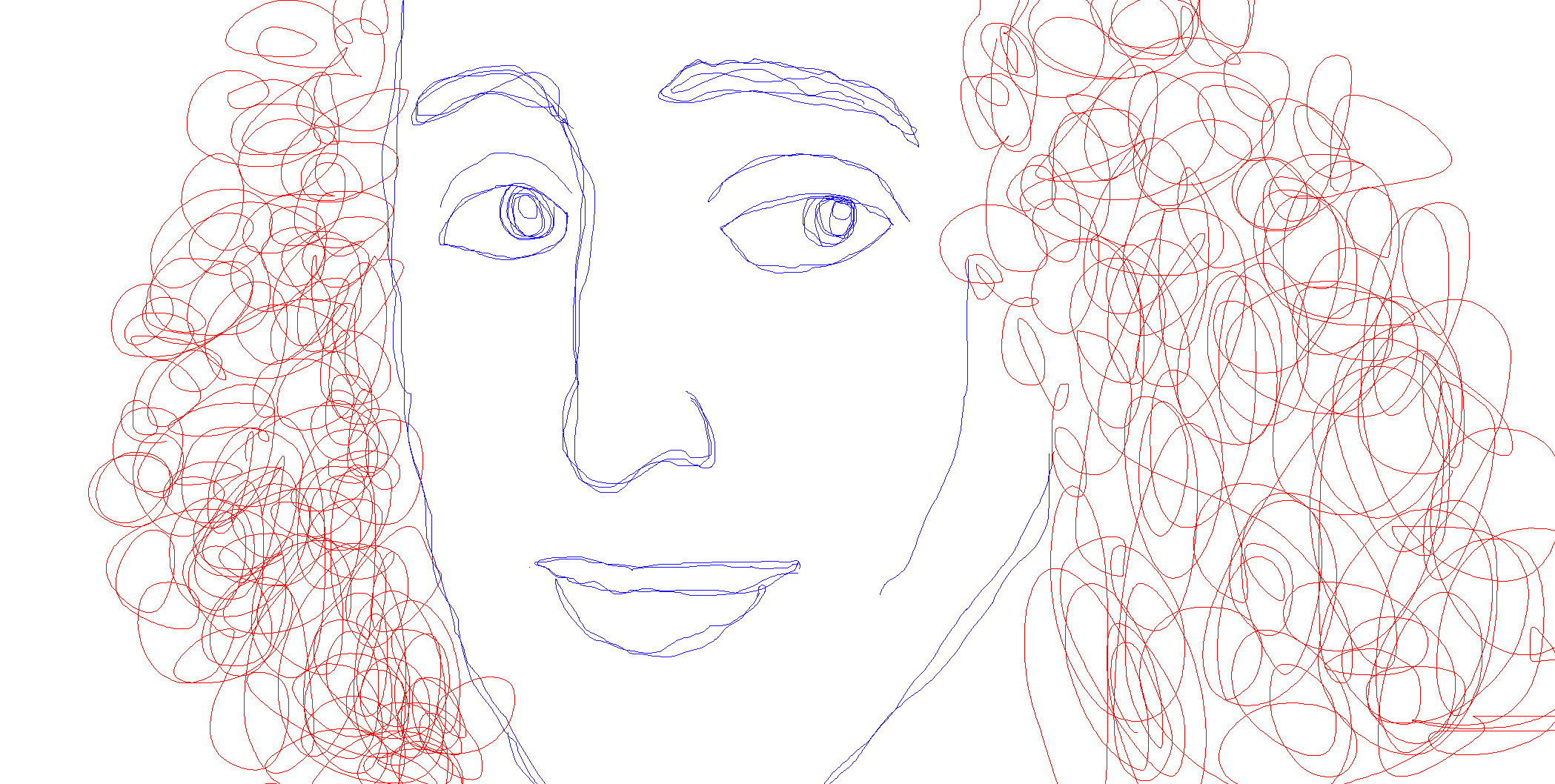
Hand-drawn line portrait of a man with long curly hair, evoking Spinoza

Social context.

The Treatise’s core goal is to split theology from politics and rein in religion’s sway over public life.

In 1665, Johan de Witt, an influential statesman who championed the interests of the merchant-industrial bourgeoisie, invited Spinoza to write a new text. Spinoza put aside work on his major book Ethics to take on the project. He spent the next five years writing and in 1670 the book was released anonymously.

Back then, the Netherlands had only recently won its freedom from Spain. Spirits were high and the government backed religious tolerance. That atmosphere pulled in plenty of thinkers, including René Descartes.

The Netherlands was a political battleground at the time. On one side, you had the merchant and industrial elite led by Johan de Witt. On the other, the Stadtholder faction driven by religious ideology and in charge of the military. And just to make things even messier, there was also a war going on with England. De Witt, worried the Stadtholders might gain too much power, kept military funding on a tight leash.

Johan de Witt had a clear goal when he commissioned Spinoza’s work – to weaken the power of the Stadtholders by dialing down religion’s grip on politics. Spinoza believed that letting religious doctrine guide the government wasn’t good for society as a whole. In his writing, he ran with that idea and laid out arguments that still shape how modern states are built today.

But in the end, Johan de Witt lost the political battle. He was brutally murdered, burned alive. As for the book, even though it was published anonymously, people quickly connected it to Spinoza and it was promptly banned.

God = Nature = Reason = Science

In the first part of his treatise, Spinoza challenges the idea of the Bible as a reliable source of knowledge. He argued that to truly understand Scripture, you need to know the context in which it was written: Jewish history, rhetoric, linguistics to grasp the real meaning behind the words and metaphors and natural science to tell the difference between actual miracles and natural phenomena.

The treatise was written to explore the relationship between democracy and religion and it marked the beginning of the Radical Enlightenment. Everything that came before it was more like enlightened conservatism.

Spinoza didn’t see nature as just matter, he also meant the laws of substance or God, the infinite being. In his view, God’s power is natural and inseparable from the workings of nature itself. That means nature’s power is both divine and infinite. And that’s where he draws a powerful connection: God = Nature = Reason = Science.

Human beings are part of nature. It’s important to distinguish between the general laws of nature and what’s unique to human nature. Spinoza points to one core human right – the right to preserve oneself. And for that purpose, he says, it’s fair to use whatever means are available.

To survive, people need each other. That’s why communities form, by coming together, they amplify their strength. Reason shows itself in our ability to build that collective power while still living in peace.

In the first part of the treatise, Spinoza argues that miracles don’t exist, what we call miracles are just the opinions of prophets. Religion and divine revelations have nothing to do with nature or truth. To Spinoza, the Bible is basically the core ideological text of the old regime.

Spinoza saw the Bible as a tool for keeping people in line, something made for the general public, who don’t have a strong sense of rational morality. It works by stirring up the imagination and emotions, using fear and promises to leave a strong impression and set the rules for the crowd.

How the rise of science was already written into Scripture

The Jewish state was a theocracy, where divine law and civil law matched. По Спинозе, божественный закон попадает в писания через откровения. Spinoza believed divine law entered Scripture through revelation and that God created the conditions that allowed the Jewish state to emerge. But here’s the interesting twist: in that same sense, any nation can be seen as “chosen,” just like the Jews, because the right conditions also came together for other nations to form.

In the Jewish state civil law turns into religious duty, making the entire nation function like a monastic order. Even everyday actions, like milking a cow, take on a religious meaning.

Spinoza believed that a theocratic state built on theology sees “others” as enemies of God, simply because they worship different gods. In his view, the Jewish state was the most unnatural form of government on earth. By relying so much on religion to hold it together, the state ends up weakening itself.

Theocracy is dangerous because it is closed for different opinions or new ideas.Different interpretations of sacred texts open the door to speculation and internal conflict, which often leads to civil war. To get past that kind of mess, Spinoza says we need science. It gives us a more stable and reliable way to build a society.

According to Spinoza, Scripture came into being as a natural part of Jewish history. The Jewish people were once enslaved by the Egyptians, an external force that controlled them. God might feel like “one of us,” but in a theocracy, he still ends up acting like a ruler. When religion runs the government, it creates a deep conflict inside society, a struggle between belief and freedom. Spinoza says the only way to fix that is through science and reason. That’s what helps humanity grow and become what it’s truly capable of.

To prevent conflict in theocratic states, Spinoza suggests separating religion from government and protecting freedom of speech. The only opinion he thinks should be limited is the calls to ban freedom of speech. The state should be a tool for freedom,built on laws, strengthened through unity and designed to let reason shine.

Conclusion: It’s kind of amazing to realize that science and almost all modern ways of thinking actually grew out of a religious worldview. I used to think science gave us an independent, “objective” picture of the world, something that let us see the true nature of things.

Selected Quotes

On Prophets

Here’s how I’ll wrap it up: prophecy never made prophets any more knowledgeable. They stuck to their own biased views. So when it comes to abstract or speculative stuff, we’re under no obligation to believe them.

But there’s nothing blasphemous in what we’re saying as Solomon, Isaiah, Jesus and the rest may have been prophets, but they were still human. And like any human, it’s fair to assume that nothing truly human was foreign to them.

So, all of this clearly shows what we set out to prove: that God shaped revelations to fit the understanding and personal views of the prophets. Which means prophets might not have known things related to pure reason or abstract thinking. They even disagreed with each other on those topics. That’s why it’s simply wrong to look to the prophets for knowledge about nature or the deeper workings of the spirit.

On the calling of the Jews and whether prophecy was unique to them

True happiness and fulfillment come from wisdom and understanding the truth, not from being wiser than others or from others lacking that truth. That kind of comparison doesn’t add even the slightest bit to a person’s actual wisdom, which is where real happiness lies.

By “God’s guidance” (Dei directio), I mean the fixed and unchanging order of nature, the natural chain (concatenatio) of cause and effect. As we’ve said before, the universal laws of nature that govern and determine everything are nothing other than God’s eternal decrees. These contain eternal truth and necessity. So whether we say that things happen according to the laws of nature or by God’s will and direction, we’re really saying the same thing.

Everything we truly want in life basically comes down to three things: understanding the world through its first causes, gaining control over our emotions or developing a habit of virtue and finally, living a calm, peaceful life in good physical health.

On divine law

So, since a law is nothing more than a way of life that people set for themselves or others in order to reach a certain goal, I think it makes sense to divide law into two kinds: human and divine. By human law, I mean a way of living that’s meant to keep the state running and preserve social order. Divine law, on the other hand, is about something higher, reaching true knowledge of God and learning to love Him.

The more we understand the natural world, the greater and more complete our knowledge of God becomes. The deeper we explore nature, the more fully we come to know God’s true essence.

So, we conclude that God is described as a lawmaker or ruler only because of how the masses think and because of the limits of human understanding. In reality, God acts and governs everything solely out of the necessity of His own nature and perfection.

Why religious rituals were created and why we believe in stories from the past
Laws in any country should be designed in a way that motivates people not through fear, but through hope for something good that they deeply desire. That way, people are more likely to do their part willingly.

So, if something ever happened in nature that went against its universal laws, it would also go against reason and against the very nature of God. Anyone claiming that God breaks the laws of nature is basically saying God goes against His own nature. And honestly, nothing could be more absurd.

I’ve already shown that Scripture doesn’t explain things by looking at their direct causes. Instead, it tells stories in a way that’s most likely to inspire reverence, especially among the masses. That’s why it often speaks about God and other matters in very vague or imprecise terms. Its goal isn’t to convince the mind, but to move and captivate the imagination.

On interpreting Scripture

Scripture doesn’t define the things it talks about, just like nature doesn’t either.

If you’re reading a book filled with strange or hard-to-understand ideas and you don’t know who wrote it, when it was written or why – it’s pretty much impossible to figure out what it really means. Without that context, there’s no way to know what the author intended or could’ve meant. But once you do know those things, your thinking gets a lot clearer. You’re less likely to project your own assumptions onto the text and more likely to focus on what the author actually meant, what they were trying to say based on their time, their situation and their audience.

I honestly can’t get over how some people see such deep, hidden mysteries in Scripture that, supposedly, no human language could ever explain them. And then they go and stuff religion with so much philosophy that the church ends up looking more like a university lecture hall and faith starts to feel more like a science or worse, just endless debate.

Here’s the thing: if someone lives a good life, then even if they don’t agree with others on doctrine, they’re still a true believer. But if their actions are bad, then no matter how much they say the right things, they’re not really a believer at all.

Faith by itself, if it is not accompanied by action, is dead.

Like we said, reason belongs to the realm of truth and wisdom, while theology belongs to the realm of devotion and obedience.

Those who run the state always try to make even their shady actions look legit. They want the public to believe they acted fairly. And it’s pretty easy for them to pull that off when they control how the law is interpreted.

Back then, even just moving your homeland was seen as shameful, because worshiping God, which they were always obligated to do, was only allowed in their own land. That land alone was considered holy, any other place was seen as unclean and defiled.

«Государь» Макиавелли

Инструкция по строительству авторитарного государства в 16 веке. Принципы книги актуальны и сейчас в управлении; можно легко провести параллели с современной Россией. Первая часть посвящена государству, вторая — рассуждениям о республике.

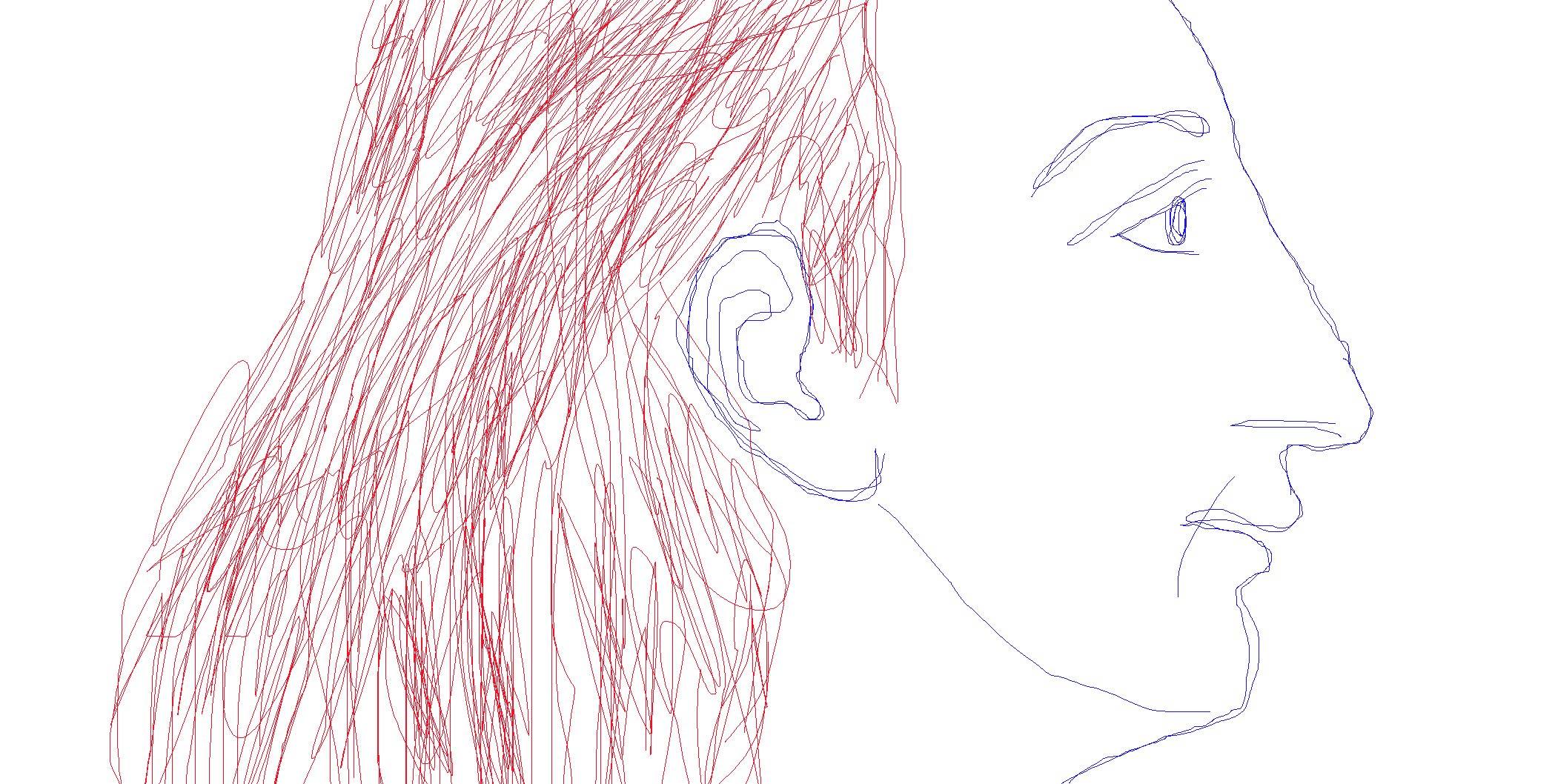
Hand-drawn line portrait of a man in profile with red hair and blue-outlined face.

Биография и контекст

Макиавелли вырос во Флоренции, жил в 1498—1512 годах. Сын успешного, хотя и не очень богатого юриста, обладающего большим влиянием и связями. Отец стремился дать лучшее возможное образование, о чём упоминает в своих дневниках: «я потратил на это столько денег, что о сумме страшно даже писать».

С семи лет Макиавелли изучал латинский язык и получил не классическое, в строгом смысле слова, образование. Он не знал греческого языка, поэтому не мог читать труды греческих философов в оригинале, хотя в «Государе» есть прямые параллели с работами Платона. Он был образован, но не входил в высшую интеллектуальную прослойку.

Во времена Макиавелли появилась учёность, независимая от церкви, расцветали ремесленники, зарабатывавшие профессиональным трудом. Происходил переход от религиозно-центрированной парадигмы к гуманистической. Если в религиозной парадигме на первом месте Бог, а потом человек, то в гуманизме наоборот. Ключевая особенность гуманизма в том, что мир создан для человека, а в Библии это подчёркивается.

Эпоха гуманизма прославляла человеческую деятельность. Гуманизм предполагает равенство всех людей, важность образованности и активности натуры. Во время жизни Макиавелли сформировалась «школа неоплатоников» — универсальная логическая система, объясняющая строение Сущего и явлений в нём.

В определённый момент Макиавелли вошёл в республиканский интеллектуальный кружок, где были заговорщики против семейства Медичи, вернувших себе власть во Флоренции. Заговорщики оказались учениками Макиавелли, что привело к его приговору к смертной казни. Позже Медичи амнистировали его, но лишили всех должностей.

«Государь» — труд Макиавелли, поднесённый двору Медичи в надежде вернуть их расположение. Интересно, что, будучи сторонником свободных взглядов, Макиавелли написал работу, в которой описывается, как строить и управлять авторитарным государством.

Содержание

Ниже я представляю не дословные цитаты из текста, а скорее свободный пересказ интересующих меня моментов.

Государство — это то, что связывает части в целое.

Объяснение в трёх пунктах:

  1. Власть — это то, что необходимо для организации целого. Есть те, кто занимается этой организацией, занимая позиции функционеров.
  2. Нужны силы, поддерживающие тех, кто поддерживает функционеров. Эту роль играет господство.
  3. Самый важный элемент организации власти — разум. Он является одним из компонентов господства.

При неизменности власти наступает момент, когда избыточные ресурсы теряются ради сохранения статус-кво, что невыгодно обществу, так как ресурсы отнимаются от других возможностей развития.

Государства бывают унаследованными, новыми и смешанными. Что касается населения, есть те, кто привык повиноваться, и свободные люди. Человек становится государем благодаря доблести и судьбе.

Для государя важно быть доблестным для свершений. Доблесть — это использование возможности с пониманием духа времени. Случай — это материал, из которого благодаря воле может проявиться триумф. Понимание времени — это осознание, что вчера было рано, а завтра будет поздно.

Доблесть позволяет раскрыть смысл событий. При этом действия должны быть решительными и сильными. Макиавелли приводит пример, как государь сначала назначил ставленника в городе, который навёл порядок жёсткими методами. А затем государь приказал разрубить его пополам, оставив тело на площади. Так он добился порядка в городе и любви народа, избавившись от ненавистного управленца.

Человеческие добродетели в политике зачастую превращаются в просчёты в долгосрочной перспективе.

Политическая добродетель должна маскироваться под человеческую. Казни должны вызывать ужас и восхищение (как справедливые), а власть должна поддерживать эту видимость.

Политик — это и человек, и зверь (лис и лев). Лев не защищён от капканов, а лиса — от волков. Поэтому нужно быть лисой, чтобы избежать ловушек, и львом, чтобы отпугнуть волков.

Создание видимости — это часть обмана и лицемерия, и они являются составляющими политической добродетели. Умение прикрыть политическую добродетель человеческой — это часть доблести государя.

Макиавелли много черпал из греческой философии, но не ссылался на источники напрямую, так как это могло выдать его незнание греческого языка. В одной из частей он почти цитирует Платона, утверждавшего, что все добродетели основаны на знании. Знание — это понимание пропорции между наслаждением и страданием. Быть добродетельным — значит уметь выбирать между тем, что приносит удовольствие, а что страдания, и уметь выбирать меньшее из страданий. Эта способность и называется Логос (в греческом — слово, разум и пропорция).

Например, если идёт бой и вы проигрываете, что лучше сделать: дезертировать и вернуться домой, бежав, или умереть в бою? Лучшее из зол — умереть на поле боя, потому что дома вас убьют и привлекут к позору.

Безнравственные действия должны быть прикрыты нравственностью в данный момент, однако по последствиям они могут оказаться действительно милосердными. В моменте толпа ведётся на видимость и успех. Чернь не видит последствий. Если чернь сливается с государством, то нет места для осмысления, всё становится чернью, и нет места для критической позиции.

Те, кто ведётся на видимость — подданные, а не граждане, так как они не обладают доблестью.

Если знать чувствует себя равной, то можно предложить новой знати новые места. Тогда она будет знать, что мы можем забрать у них эту привилегию, и это позволит управлять ими.

Демократическое управление — это воспитание в доблестях.

Вывод: удивительно, как холоднокровно и точно описываются принципы, по которым формируется авторитарное государство. Находясь внутри такого государства, постоянно слышатся утверждения, что «государство для народа», хотя на самом деле всё наоборот — «народ для государства», а это и есть добродетель по Макиавелли.

“The Prince” by Machiavelli

A 16th-century guide to building an authoritarian state. The ideas still hold up today, you can easily draw parallels with modern Russia. The first part focuses on the state itself, while the second dives into thoughts on republics.

Hand-drawn line portrait of a man in profile with red hair and blue-outlined face.

Biography and Context

Machiavelli grew up in Florence and lived from 1498 to 1512. He was the son of a successful, however not particularly wealthy lawyer with plenty of influence and connections. His father was determined to give him the best education possible and even wrote in his diary: “I spent so much money on it, I’m scared to even write down the amount.”

Starting at age seven, Machiavelli studied Latin, but his education wasn’t classical. He didn’t know Greek, so he couldn’t read the works of Greek philosophers in the original Greek, even though The Prince draws clear parallels with Plato’s ideas. Machiavelli was well-educated, but he wasn’t a part of the intellectual elite.

In Machiavelli’s time, learning was starting to become independent from the Church and skilled workers were making a living through their craft. Society was shifting from a religious-centered worldview to a humanist one. In the religious view, God came first and people came second. Humanism flipped that – people came first. The main idea was that the world was made for humans, which the Bible also points out.

The humanist era celebrated what people could do. Humanism was based on the idea that all people are equal, that education matters and that being active and engaged is a key part of life. During Machiavelli’s lifetime, the “Neoplatonist school” took shape – a universal system of logic meant to explain how everything in the world worked.

Then Machiavelli became part of a republican intellectual club that included conspirators plotting against the Medici family, who had regained power in Florence. Some of the conspirators turned out to be Machiavelli’s former students, which led to him being sentenced to death. The Medici later granted him amnesty, but stripped him of all official positions.

The Prince was Machiavelli’s attempt to win back favor with the Medici court. What’s interesting, despite being a supporter of free thought, he wrote a guide on how to build and run an authoritarian state.

Overview

Below is not a word-for-word translation of the text, just a loose retelling of the parts I found interesting.

The state is what holds everything together.

  1. Power is what’s needed to keep everything organized. Some people take on that job, they’re the ones in charge of running things.
  2. But those people also need support. That support comes from authority and control.
  3. The most important part of holding power is reason. It’s a key part of what makes authority work.

When power stays the same for too long, there comes a point where extra resources are wasted just to keep the status quo. This hurts society, because those resources could’ve been used for other kinds of progress.

There are different types of states: inherited, new and mixed. As for the people, some are used to obeying, while others are free. A person becomes a ruler through a mix of boldness and luck.

For a ruler, it’s important to have boldness to achieve great things. That means recognizing the moment and acting in tune with the spirit of the times. Chance is the raw material and with willpower, it can turn into success. Understanding timing means knowing that yesterday was too early and tomorrow will be too late.

Boldness helps reveal the meaning behind events, but actions also need to be strong and decisive. Machiavelli gives an example of a ruler who first sent a tough official to bring order to a city using harsh methods. Once things were under control, the ruler had him cut in half and left his body in the town square. That way, the ruler kept peace and won the people’s support by getting rid of the man they hated.

Qualities like kindness or honesty in politics often end up being long-term mistakes.

Political toughness should look like personal goodness. Executions should inspire both fear and respect as if they were fair. And those in power need to keep up that appearance.

A politician has to be both a person and a beast (a fox and a lion). The lion can’t avoid traps and the fox can’t fight off wolves. That’s why you need to be a fox to spot the traps and a lion to scare off the wolves.

Machiavelli got a lot of ideas from Greek philosophy, but he didn’t mention his sources directly, probably to avoid revealing that he couldn’t read Greek. In one part he comes close to quoting Plato, who believed that all good judgment comes from knowledge. Knowledge means understanding the balance between pleasure and pain. Doing the right thing means knowing how to choose between what feels good and what hurts and picking the lesser pain when you have to. The Greeks called this ability Logos, which means word, reason and balance.

For example, if you’re in a battle and losing, what’s the better choice: to run away and go home or to die fighting? The lesser evil is to die on the battlefield, because if you run, you’ll be killed with shame anyway.

Immoral actions should be covered up with a show of morality in the moment, but in the long run they might actually turn out to be merciful. In the moment, the crowd is drawn to success. The masses don’t see long-term consequences.
And when the masses completely merge with the state, there’s no room for reflection, everything becomes part of the crowd and critical thinking disappears.

If the nobility sees itself as equal, you can offer new nobles new positions. That way, they’ll know you can take those privileges away and that gives you control over them.

Conclusion: It’s surprising how clearly and calmly Machiavelli explains how an authoritarian state is built. When you’re living in one, you keep hearing that “the state is for the people.” But really, it’s the other way around – the people are for the state. And that, for Machiavelli, is what real political strength looks like.

Earlier Ctrl + ↓